Half Marathon Nutrition Guide: What to Eat Before, During & After Your Race
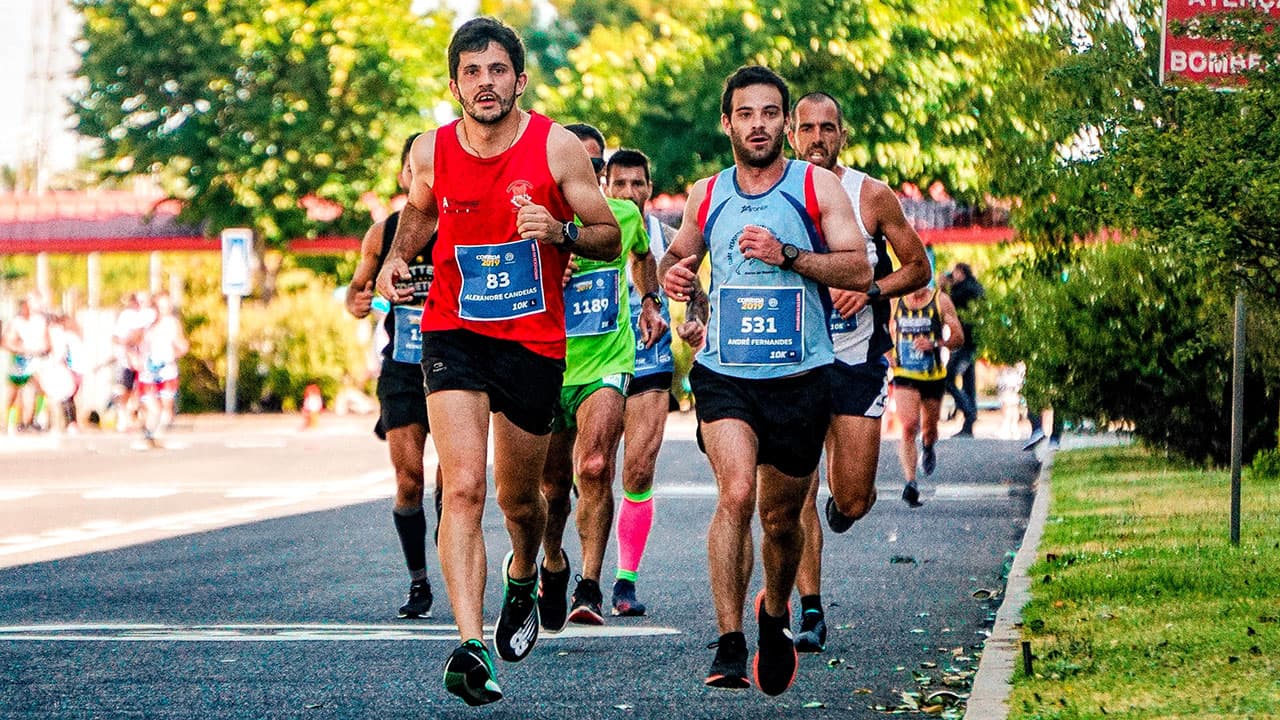
Half Marathon Nutrition Guide: What to Eat Before, During & After Your Race
The difference between hitting the wall at mile 10 and cruising through the finish line often comes down to one factor: nutrition. Even the best training plan can't overcome poor fueling strategies. Get it right, and you'll feel strong throughout your 13.1 miles. Get it wrong, and you'll struggle through those final miles wondering what went wrong.
This comprehensive guide breaks down exactly what, when, and how much to eat for optimal half marathon performance—from your pre-race dinner to post-finish line recovery.
The Science of Half Marathon Fueling
Understanding Your Energy Systems
During a half marathon, your body relies on two primary fuel sources:
-
Carbohydrates (Glycogen): Your muscles store about 1,500-2,000 calories of glycogen
-
Fat: Nearly unlimited stores, but slower to access
For most runners completing a half marathon in 1:30-2:30, you'll burn approximately 1,300-1,600 calories. The challenge? Your glycogen stores barely cover this demand, making proper fueling essential.
The 90-Minute Rule
Research shows that for efforts lasting longer than 90 minutes, consuming carbohydrates during exercise improves performance by 2-3%. Since most recreational runners take 1:45-2:15 to complete a half marathon, mid-race fueling becomes crucial.
Pre-Race Nutrition Timeline
Your race-day performance starts with what you eat in the days leading up to the event. Here's your complete pre-race nutrition timeline:
Begin Carb Loading
-
Increase carbs to 3-4g per pound of body weight
-
Reduce fiber intake to minimize GI distress
-
Maintain normal protein intake
-
Stay well-hydrated (urine pale yellow)
Final Preparation
-
Eat familiar, easy-to-digest foods
-
Avoid high-fiber, spicy, or new foods
-
Hydrate steadily throughout the day
-
Limit alcohol and caffeine
3-4 Hours Before
-
Eat substantial breakfast (400-600 calories)
-
Focus on simple carbs with minimal fat/fiber
-
Drink 16-20 oz of water
Final Top-Off
-
Small snack if needed (100-200 calories)
-
Sip 8-10 oz water/sports drink
-
Visit bathroom one last time
Pre-Race Meal Plans
The Night Before: Carb-Loading Dinner
Option 1: Classic Pasta Dinner
-
2 cups cooked pasta with marinara sauce
-
2 slices white bread
-
Side salad (light dressing)
-
1 cup white rice
-
Water or sports drink
Option 2: Rice Bowl
-
2 cups white rice
-
Grilled chicken breast (4 oz)
-
Steamed carrots and green beans
-
Dinner roll
-
Banana
Option 3: Breakfast for Dinner
-
3 pancakes with syrup
-
2 scrambled eggs
-
2 slices white toast with jam
-
Cup of melon
Race Morning Breakfast
Option 1: Oatmeal Power Bowl
-
1 cup oatmeal with banana
-
2 tbsp honey
-
1 slice toast with jam
-
8 oz orange juice
Option 2: Bagel Breakfast
-
Plain bagel with 2 tbsp peanut butter
-
Medium banana
-
1 cup apple juice
-
Small yogurt
Option 3: Simple & Safe
-
2 slices white toast with honey
-
1 cup white rice with cinnamon
-
Sports drink (16 oz)
-
Half banana
Never Try New Foods on Race Day: Stick to foods you've tested during training. Race morning is not the time to experiment with that new energy bar or exotic breakfast.
During-Race Fueling Strategy
The Mile-by-Mile Fueling Plan
Your body can absorb 30-60g of carbohydrates per hour during exercise. Here's how to implement this during your race:
| Mile Marker | Action | Carbs | Fluids |
|---|---|---|---|
| Start | Nothing | 0g | 0 oz |
| Mile 3 | Water station | 0g | 3-4 oz |
| Mile 5 | Energy gel #1 | 25g | 4-6 oz |
| Mile 7 | Sports drink | 15g | 4-6 oz |
| Mile 9 | Energy gel #2 | 25g | 4-6 oz |
| Mile 11 | Sports drink | 15g | 3-4 oz |
| Finish | Celebrate! | - | As desired |
| Total | 80g | 18-26 oz |
Fueling Options Comparison
Energy Gels
-
Pros: Concentrated energy, easy to carry, quick absorption
-
Cons: Some find texture unpleasant, need water
-
Best for: Runners wanting minimal GI distress
Sports Drinks
-
Pros: Hydration + fuel combined, easier on stomach
-
Cons: Harder to carry, less concentrated energy
-
Best for: Runners who struggle with gels
Real Food Options
-
Pros: More satisfying, variety of flavors
-
Cons: Slower digestion, harder to carry
-
Options: Dates, banana pieces, energy balls
-
Best for: Slower runners or those with sensitive stomachs
Practice Makes Perfect
The Golden Rule: Practice your exact race-day nutrition strategy during at least 3 long training runs. This includes timing, products, and quantities. Your stomach needs training too!
Hydration Strategy
Pre-Race Hydration
Proper hydration starts 24-48 hours before your race:
-
2 Days Before: Drink normally, monitor urine color
-
1 Day Before: 0.5-0.7 oz per pound body weight
-
Race Morning: 16-20 oz upon waking, then sip until start
Hydration Calculator
During-Race Hydration
The American College of Sports Medicine recommends:
-
Cool weather (< 60°F): 3-4 oz every 20 minutes
-
Moderate weather (60-75°F): 5-6 oz every 20 minutes
-
Hot weather (> 75°F): 7-8 oz every 20 minutes
Electrolyte Balance
For races longer than 75 minutes, electrolyte replacement becomes important:
Sodium: 200-300mg per hour Potassium: 50-100mg per hour Magnesium: 20-50mg per hour
Most sports drinks provide adequate electrolytes. If using water only, consider salt tablets or electrolyte supplements.
Post-Race Recovery Nutrition
The 30-minute window after finishing is crucial for optimal recovery. Your goals:
-
Replenish glycogen stores
-
Repair muscle damage
-
Rehydrate completely
The 3:1 Recovery Rule
Consume 3 grams of carbohydrates for every 1 gram of protein within 30 minutes of finishing.
Immediate Post-Race (0-30 minutes)
Quick Options:
-
Chocolate milk (16 oz)
-
Recovery shake with banana
-
Bagel with peanut butter
-
Sports drink + protein bar
-
Greek yogurt with granola
Post-Race Meal (2-3 hours later)
Balanced Recovery Meal:
-
Grilled chicken sandwich with sweet potato fries
-
Pasta with meat sauce and side salad
-
Rice bowl with salmon and vegetables
-
Burger with baked potato
-
Pizza (yes, you earned it!)
Don't Forget:
-
Continue hydrating
-
Include fruits/vegetables
-
Listen to your body's hunger cues
Common Nutrition Mistakes to Avoid
1. Overloading the Night Before
Eating a massive pasta dinner won't compensate for poor nutrition during training. Stick to normal portions of familiar foods.
2. Trying New Products on Race Day
That free energy gel at the expo? Save it for training. Race day is for tried-and-true options only.
3. Starting Fueling Too Late
Don't wait until you feel tired to fuel. By then, it's too late. Start at mile 5-6 regardless of how you feel.
4. Ignoring Fluid Needs
Dehydration is cumulative. Missing early water stations compounds problems later in the race.
5. Forgetting Post-Race Nutrition
The race isn't over at the finish line. Proper recovery nutrition affects how quickly you bounce back.
Special Dietary Considerations
Plant-Based Runners
-
Focus on quinoa, oats, and rice for carbs
-
Use dates, maple syrup for quick energy
-
Consider B12 and iron supplementation
-
Plant-based recovery: smoothie with plant protein
Gluten-Free Athletes
-
Rice, potatoes, corn for carb-loading
-
Certified GF oats for breakfast
-
Check all gels/drinks for gluten
-
Many energy products are naturally GF
Low-FODMAP Needs
-
White rice and potatoes are safe carbs
-
Avoid high-fructose gels
-
Test maple syrup-based fuels
-
Keep fiber very low pre-race
Your Personal Nutrition Plan Template
Create your customized plan:
My Pre-Race Dinner: ________________ My Race Morning Breakfast: ________________ My During-Race Fuel: ________________ My Hydration Strategy: ________________ My Recovery Plan: ________________
The Week Before: Shopping List
Stock up on these essentials:
Carbohydrates:
-
White rice, pasta, bagels
-
Bananas, white bread
-
Oatmeal, pretzels
Race Fuel:
-
Energy gels (buy extras to practice)
-
Sports drink powder
-
Electrolyte supplements
Recovery:
-
Chocolate milk
-
Protein powder
-
Nut butters
Final Nutrition Tips
-
Nothing new on race day - Worth repeating!
-
Bring your own - Don't rely solely on course nutrition
-
Temperature matters - Gels get thick when cold, thin when hot
-
Have a backup plan - Carry extra fuel in case you drop one
-
Trust your training - If it worked in practice, it'll work on race day
Conclusion
Proper nutrition can make or break your half marathon experience. The strategies outlined here provide a framework, but remember that every runner is unique. Use your training to dial in your personal nutrition plan, then trust it on race day.
The perfect fueling strategy is the one that keeps you energized without GI distress. Start conservatively, practice consistently, and adjust based on your body's feedback. With proper nutrition, you'll not only finish your half marathon—you'll finish strong.
Your Next Step: Use your next long run to practice your complete race-day nutrition strategy. Set phone alarms for fuel timing and note how you feel. Adjust as needed and repeat until you find your perfect formula.
Related Resources
Tags
Related Articles
The Complete Half Marathon Nutrition Guide: Fuel Your Way to Success
Master the art and science of half marathon nutrition with this comprehensive guide. Learn optimal macronutrient ratios, timing strategies, race-day fueling protocols, and evidence-based nutrition plans that power peak performance and rapid recovery.
Gear Guide: Best Hydration Belts for a Half Marathon
Complete guide to choosing the perfect hydration belt for half marathon training. Compare top 10 belts, learn key features to consider, and discover proper usage tips to stay hydrated during your 13.1-mile journey.
Beginner's Guide to Fueling During Your Half Marathon
A first-timer's guide to in-race half marathon fueling: when to start taking in carbs, how much to eat each hour, and how to use aid stations without breaking stride or trying something new mid-race.
What to Eat and Drink Before a Half Marathon: A Race-Morning Timeline
A concrete timeline for the 48 hours before a half marathon: what to eat the night before, a race-morning breakfast schedule, and exactly when to drink water and sports drink before the gun goes off.