What to Eat and Drink Before a Half Marathon: A Race-Morning Timeline
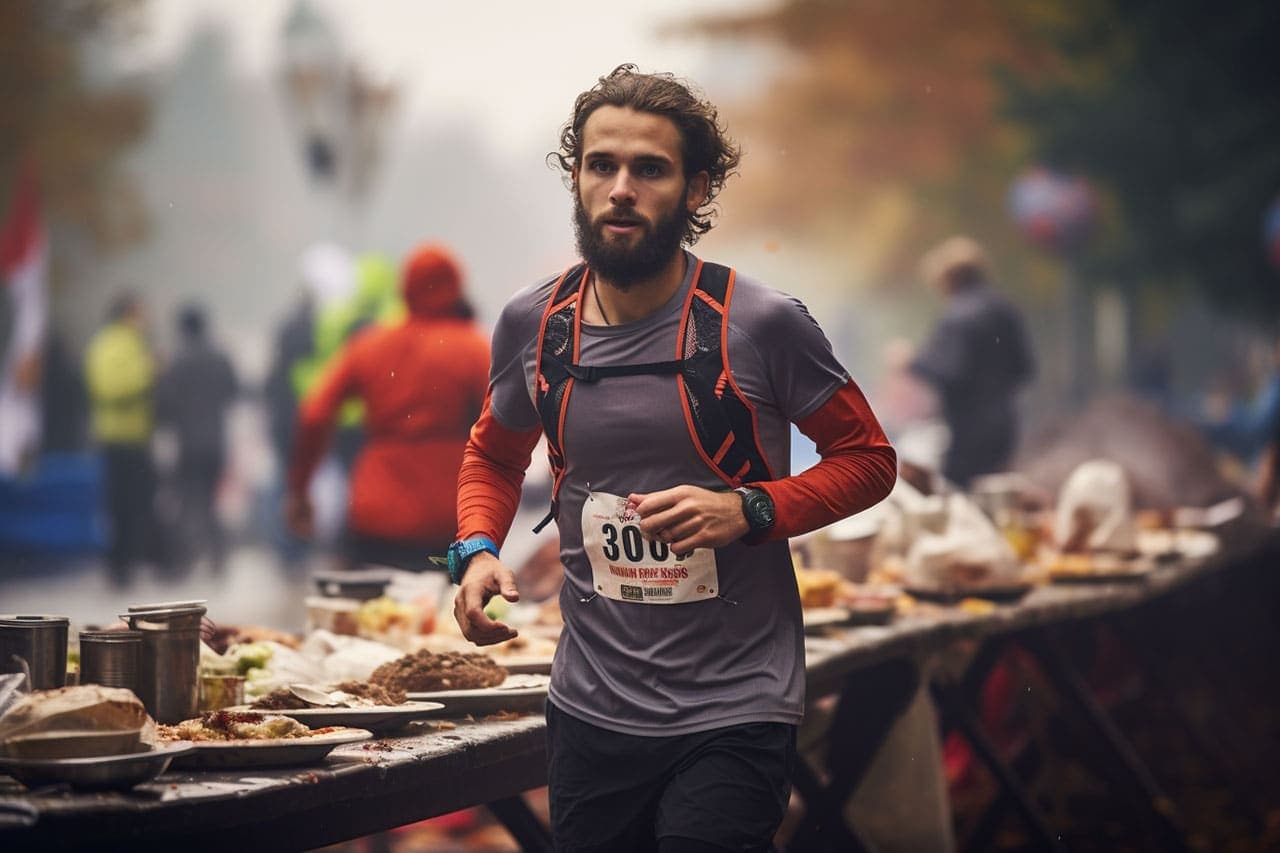
Half marathon race week isn't the time to introduce new foods or guess at hydration. What you eat and drink in the final 48 hours, and especially in the hours right before the gun, has a direct effect on how your stomach and your legs feel at mile 10. This guide covers that specific window: the day before, race morning, and the last hour before the start.
For fueling during the race itself — gels, chews, and aid-station timing — see the half marathon fueling guide. For how your everyday training diet should differ from a non-runner's baseline, see what makes a runner's nutrition different.
The 48 Hours Before: Topping Off Glycogen
You don't need a dramatic carb-load for a half marathon the way marathoners do for 26.2 miles, but shifting your last two days toward more carbohydrate and less fiber pays off. Two days out, start easing off raw vegetables, beans, and other high-fiber foods that can leave you gassy or bloated on race morning. Lean your meals toward rice, pasta, potatoes, bread, and other easily digested carbohydrate sources, with moderate, familiar protein alongside them.
If you're chasing a specific time goal, aim for roughly 7 to 10 grams of carbohydrate per kilogram of body weight on the day before the race — for a 150-pound (68kg) runner, that's about 475 to 680 grams, spread across normal meals rather than crammed into one giant pasta dinner. If you're running for a finish rather than a time, simply keeping meals familiar and carb-forward for the last two days is enough.
The Night Before: Dinner Timing
Eat dinner early — about 12 to 14 hours before your start time gives your stomach plenty of time to clear before you're standing in a corral. Stick to something you've eaten before a long training run; race-eve is the wrong time to try the tasting menu at a new restaurant.
| Timing | Goal | Example |
|---|---|---|
| 12–14 hours before start | High-carb, low-fat, low-fiber, moderate protein | Pasta with light marinara and grilled chicken |
| Same window | Alternative if you prefer rice | Rice bowl with teriyaki chicken and cooked carrots |
| Same window | Vegetarian option | Baked potato with black beans (if you tolerate beans well) and a mild cheese |
| Avoid | New restaurants, heavy cream sauces, fried food, alcohol | — |
Skip the pre-race beer or wine. Alcohol disrupts sleep quality and mild dehydration compounds the effect of race-morning nerves on your GI system.
Race-Morning Fueling Timeline
Work backward from your start time. If your race allows it, eating 3 to 4 hours out gives full digestion time; if your start is very early, you'll compress the schedule and rely more on a gel or banana closer to the gun.
| Time before start | Action | Example |
|---|---|---|
| 3–4 hours | Full breakfast, 400–600 calories, high-carb | Oatmeal with banana and honey; bagel with peanut butter |
| 2–3 hours | Lighter breakfast if you slept in | Toast with jam and a banana |
| 60–90 minutes | Hydrate | 400–600ml water or a light sports drink |
| 30–45 minutes | Top-off snack | Ripe banana, dried fruit, or a sports gel |
| 15–20 minutes | Final hydration, small sips only | 100–150ml water |
For very early starts (5 to 6 a.m.), eat a partial breakfast right when you wake up — half a bagel with peanut butter or a small bowl of oatmeal — then finish fueling with a gel or banana closer to the corral. Your stomach won't fully digest a full meal in under 90 minutes, so lean on easily absorbed carbs for that last top-off.
If you use caffeine on race morning, 100 to 200mg (roughly one to two cups of coffee, or a caffeinated gel) about 30 to 60 minutes before the start is a well-tested window — enough to help perceived effort without cutting it so close that it hits mid-race.
Hydration Timeline
Hydration status is something you build over the day before, not something you can fix by chugging water at the start line. For a personalized target based on your body weight, sweat rate, and race-day conditions, run the numbers through the hydration calculator; for the full pre-race-through-recovery protocol, see the hydration strategy guide.
- Day before: drink normally through the day; pale yellow urine is a reasonable check that you're not starting the race behind.
- 2–3 hours before: 500–600ml water or a light electrolyte drink.
- 60 minutes before: 200–300ml.
- 15 minutes before: small sips only, 100–150ml — enough to feel hydrated without needing a bathroom break mid-corral.
What to Avoid on Race Morning
- New foods. Race morning is not the time to try a food you haven't eaten before a long run.
- High-fiber foods. Beans, cruciferous vegetables, and large salads all slow digestion and raise GI risk.
- High-fat meals. Fat slows gastric emptying, which is the opposite of what you want with a 7 or 8 a.m. gun.
- Excess dairy, if you're at all lactose-sensitive — even a small amount can cause cramping mid-race.
- Alcohol the night before, which disrupts both sleep and hydration.
- NSAIDs on an empty stomach. If you take ibuprofen or similar before races, that habit carries real kidney and GI risk during endurance efforts — talk to a doctor rather than defaulting to it.
Two Sample Timelines
7 a.m. start: Dinner at 6–7 p.m. the night before (pasta with chicken). Wake at 4:30 a.m., breakfast at 4:45 a.m. (bagel with peanut butter, banana, coffee). Sip water through the morning. 5:30 a.m.: 500ml water. 6:15 a.m.: gel plus 150ml water. 6:45 a.m.: final bathroom stop and corral.
9 a.m. start: Dinner at 7–8 p.m. the night before. Wake at 6 a.m., full breakfast at 6:15 a.m. (oatmeal, banana, honey). 7:30 a.m.: 500ml water or sports drink. 8:15 a.m.: banana or gel plus 150ml water. 8:45 a.m.: corral.
Both timelines follow the same principle: front-load real food while you have digestion time, then shift to small, easily absorbed carbs and small hydration sips as the start gets closer.
Frequently Asked Questions
What should I eat the night before a half marathon?
Eat a familiar, high-carb, low-fat, low-fiber dinner about 12 to 14 hours before your start time — pasta with a light sauce, rice with grilled chicken, or a baked potato with mild toppings all work. Avoid anything new, anything very high in fat or fiber, and alcohol, since all three raise the odds of GI trouble on race morning.
What should I eat for breakfast on half marathon race morning?
If your schedule allows it, eat a 400 to 600 calorie, high-carb, low-fiber breakfast 2 to 4 hours before the start — oatmeal with banana and honey, a bagel with peanut butter, or toast with jam are all reliable choices. If your start is very early, eat a smaller version on waking and finish topping off with a gel or banana closer to the gun.
How much water should I drink before a half marathon?
Drink normally the day before and aim for pale yellow urine as your hydration check. On race morning, target 500 to 600ml of water or a light sports drink 2 to 3 hours out, another 200 to 300ml about 60 minutes before the start, and only small sips in the final 15 minutes so you're not searching for a bathroom in your corral.
What foods should I avoid before race day?
Avoid anything you haven't eaten before a long training run, high-fiber foods like beans, cruciferous vegetables, and large salads, high-fat meals, excess dairy if you're at all sensitive to it, and alcohol the night before. All of these either slow digestion or increase the risk of mid-race GI distress.
Tags
Related Articles
Half Marathon Nutrition Guide: What to Eat Before, During & After Your Race
Master your half marathon nutrition with our complete fueling guide. Learn exactly what to eat before, during, and after your race with meal plans, timing strategies, and hydration calculations.
Why a Hydration Pack for Your Half Marathon Training is a Good Idea
Complete guide to hydration packs for half marathon training. Compare top 10 models, learn proper fit and maintenance, training strategies, race day decisions, and budget vs premium options. Everything you need for optimal hydration during long runs.
The Complete Half Marathon Nutrition Guide: Fuel Your Way to Success
Master the art and science of half marathon nutrition with this comprehensive guide. Learn optimal macronutrient ratios, timing strategies, race-day fueling protocols, and evidence-based nutrition plans that power peak performance and rapid recovery.
What Makes a Runner's Nutrition Different: Diet Needs Explained
A half marathon training load changes your carbohydrate, protein, and micronutrient needs well beyond a standard sedentary diet. Here's how those needs shift with training volume, and what to eat to match them.