Maximizing Aid Stations: The Complete Guide to Race Day Hydration and Fueling Success
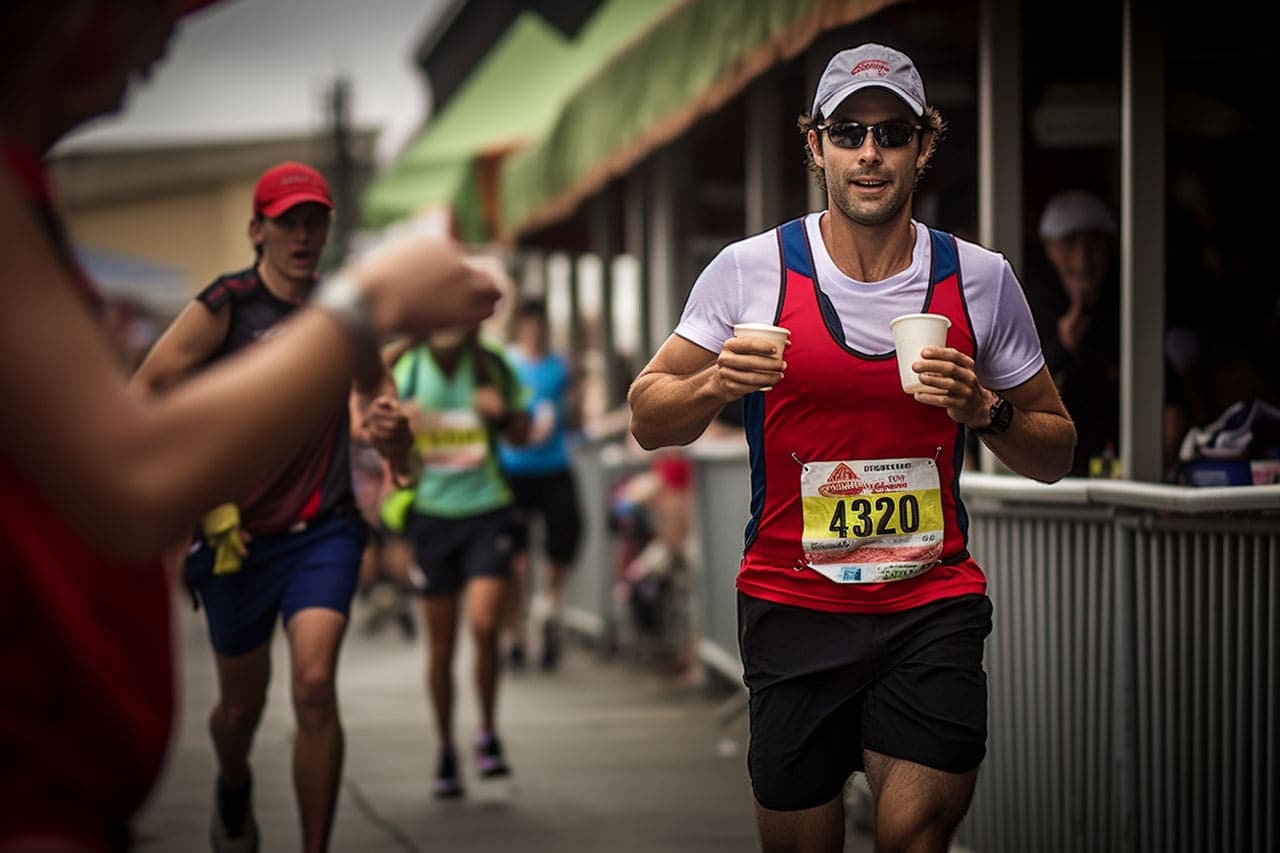
The difference between a personal best and a disappointing finish often comes down to what happens in the 30 seconds you spend at each aid station. While most runners focus on training miles and pace work, the elite know that aid station efficiency can make or break your race. Master these critical pit stops, and you'll not only finish stronger but potentially shave minutes off your time.
Why Aid Stations Make or Break Your Race
Aid stations are the lifelines of any half marathon. These strategically placed oases provide hydration, fuel, and brief mental respites during your 13.1-mile journey. Yet surprisingly, many runners approach them haphazardly, costing themselves precious time and energy.
Consider this: If you spend just 10 extra seconds at each of the typical 6-8 aid stations in a half marathon due to poor technique, that's over a minute added to your finish time. More critically, improper hydration or fueling at these stations can lead to cramping, bonking, or GI distress that derails your entire race.
The good news? With proper strategy and practice, aid stations can become your secret weapon for race day success.
Understanding Aid Station Anatomy
Before diving into strategy, let's decode the typical aid station setup you'll encounter on race day.
Standard Aid Station Layout
Most half marathon aid stations follow a predictable pattern:
- Warning Signs: Located 100-200 meters before the station
- Water Tables: Usually first, staffed by 4-6 volunteers
- Sports Drink Tables: Following water, often a different color cup
- Special Nutrition: Gels or fruit at select stations (miles 7-10)
- Trash Zone: Designated area for cup disposal
What's Typically Available
Every Aid Station:
- Water (always)
- Electrolyte drink (usually Gatorade or race sponsor brand)
- Basic first aid
- Volunteer support
Select Stations (Usually Miles 7-10):
- Energy gels
- Bananas or orange slices
- Pretzels or crackers
- Vaseline or Body Glide
- Sponges (hot weather races)
Understanding Volunteer Roles
Volunteers are your allies, not obstacles. They typically include:
- Table Captains: Coordinate the station
- Cup Holders: Stand with extended arms offering drinks
- Refill Team: Keep tables stocked
- Clean-up Crew: Manage discarded cups
- Medical Support: Watch for runners in distress
Pre-Race Aid Station Planning
Success at aid stations begins long before race day. Here's your preparation checklist:
1. Study the Course Map
Download and analyze the official course map, noting:
- Exact aid station locations
- Distance between stations
- What's offered at each station
- Elevation changes near stations
- Side of the road (important for positioning)
2. Calculate Your Personal Needs
Use this formula—or our hydration calculator—to determine your hydration requirements:
- Sweat Rate Test: Weigh yourself before and after a 1-hour run
- Fluid Loss: Each pound lost equals ~16 oz of fluid
- Target Replacement: Aim to replace 50-80% of losses
- Per Station Need: Divide total by number of stations
Example: If you lose 2 pounds per hour (32 oz) and run a 2-hour half marathon with 8 stations, aim for 3-4 oz per station minimum.
3. Create Your Aid Station Card
Write this on your hand or a wristband:
- Station 1: Water only
- Station 2: Sports drink
- Station 3: Water + gel
- Station 4: Sports drink
- Station 5: Water
- Station 6: Sports drink + gel
- Station 7: Water
- Station 8: Whatever you need!## The 10 Commandments of Aid Station Success
1. Approach with Intent, Not Desperation
Start planning your approach 100 meters out. Scan ahead, pick your target volunteer, and adjust your line gradually. Sudden moves cause collisions and spilled drinks.
2. Master the Art of Eye Contact
Lock eyes with a volunteer holding a cup. This silent communication ensures they're ready for you and won't pull the cup away too early. Point to your chosen volunteer if necessary.
3. Perfect the Pinch-and-Sip Technique
The Gold Standard Method:
- Grab the cup from the top rim
- Immediately pinch it into a V-shape
- This creates a spout for controlled drinking
- Sip while maintaining pace
- Breathe through your nose
4. Plan Your Lane Position
Right-Side Runners: Move right 200m before stations Left-Side Preference: Check course map for table sides Middle Pack: Be prepared for both sides
5. Embrace Strategic Walking
There's no shame in a 20-second walk through aid stations. Benefits include:
- Better hydration (less spillage)
- Moment to assess your body
- Easier gel consumption
- Reduced choking risk
- Mental reset opportunity
6. Time Your Nutrition Perfectly
Fuel Before You're Empty:
- First gel: Mile 4-5
- Second gel: Mile 8-9
- Emergency fuel: Mile 11-12
The 45-Minute Rule: Take in 30-60g carbohydrates per hour after the first 45 minutes.
7. Practice the Double-Cup Method
For longer races or hot conditions:
- Grab two cups at once
- Drink one immediately
- Carry the second for sipping
- Or use one for drinking, one for cooling
8. Respect the Flow of Traffic
Cardinal Rules:
- Never stop suddenly
- Don't cut across runners
- Call out "walking" if slowing
- Move to the side after grabbing
- Thank volunteers (karma matters!)
9. Show Gratitude to Volunteers
A simple "thank you" or thumbs up:
- Boosts volunteer morale
- Improves your mental state
- Creates positive race energy
- Takes zero extra energy
10. Plan Your Exit Strategy
Smooth Departure Protocol:
- Finish drinking within 50 meters
- Toss cup to the side (not center)
- Check blind spot before merging
- Gradually increase pace
- Reset your breathing rhythm
Mile-by-Mile Aid Station Strategy
Miles 1-3: The Conservative Approach
Station 1 (Mile 1-2):
- Skip it unless genuinely thirsty
- Your pre-race hydration should suffice
- Avoiding early crowds saves time
Station 2 (Mile 2.5-3):
- Take 2-3 sips of water
- Don't overhydrate early
- Use this as aid station practice
Miles 4-6: Begin Fueling
Station 3 (Mile 4-5):
- Sports drink for electrolytes
- First gel if you carry your own
- Walk if taking nutrition
Station 4 (Mile 6):
- Water to wash down gel
- Quick body assessment
- Adjust pace if needed
Miles 7-9: Peak Fueling Phase
Station 5 (Mile 7-8):
- Sports drink mandatory
- Race-provided gel if needed
- Consider double-cup method
Station 6 (Mile 9):
- Critical hydration point
- Don't skip even if feeling good
- Last chance for substantial fuel
Miles 10-13.1: Survival Mode
Station 7 (Mile 10-11):
- Water or sports drink based on stomach
- Skip solid foods this late
- Mental boost from volunteers
Final Station (Mile 12):
- Small sips only
- Use for cooling if hot
- Prepare for final push
Advanced Aid Station Techniques
The Double-Cup Mastery
Perfect for hot weather or when you need extra hydration:
- Approach with both hands free
- Grab cups from two adjacent volunteers
- Pinch first cup, drink immediately
- Hold second cup loosely for sipping
- Can also use: one for head cooling, one for drinking
Walk-Run Aid Station Strategy
Maximizes hydration while minimizing time loss:
- Run to 10 meters before tables
- Decelerate smoothly to walk
- Walk through entire station (15-20 seconds)
- Drink properly without spillage
- Accelerate gradually upon exit
Studies show this method only adds 10-15 seconds but improves hydration by 40%.
Avoiding Congestion Like a Pro
Early Position Strategy:
- Run wide before the station
- Cut in after the crowd
- Target the far end tables
- Less competition, fuller cups
The Skip-and-Return:
- If too crowded, continue past
- Circle back if desperate
- Only works for out-and-back courses
Common Aid Station Mistakes (And How to Avoid Them)
Mistake #1: The "Desperate Grab" Syndrome
What Goes Wrong: Panicked runners grab wildly, often knocking cups from volunteer hands.
The Fix: Stay calm, make eye contact, reach with control. Practice the motion during training runs.
Mistake #2: The "Chug and Choke" Error
What Goes Wrong: Trying to drink too fast while running hard leads to choking or aspiration.
The Fix: Slow slightly, use the pinch method, take small sips. Better to drink less than choke.
Mistake #3: The "Wrong Lane" Disaster
What Goes Wrong: Sudden lane changes cause collisions and falls.
The Fix: Plan your move 100+ meters out. Use hand signals. Call out intentions.
Mistake #4: The "Skip and Crash" Phenomenon
What Goes Wrong: Skipping early stations to save time backfires with late-race dehydration.
The Fix: Take something at every station, even if just a sip. Consistency prevents crisis.
Special Conditions Strategies
Hot Weather Racing
When temperatures exceed 70°F (21°C):
- Take water AND sports drink at each station
- Use the double-cup method standard
- Pour water on head/wrists for cooling
- Grab ice if available for neck/hat
- Extend walking breaks by 5-10 seconds
- Consider carrying a small sponge
Cold Weather Considerations
When below 45°F (7°C):
- Warm drinks if offered (rare but amazing)
- Keep moving through stations
- Wear gloves you can drink while wearing
- Less hydration needed but don't skip
- Watch for icy patches near stations
Crowded Race Survival
For races with 10,000+ runners:
- Start conservatively to avoid early crushes
- Use far side of aid stations
- Be patient; don't fight crowds
- Consider carrying one bottle to skip Station 1
- Thank volunteers extra (they're swamped!)
Communication and Race Etiquette
Effective Volunteer Communication
Verbal Cues That Work:
- "Water please!" (clear and simple)
- "Sports drink!" (specify your need)
- "Thank you!" (always appreciated)
- "Walking!" (safety announcement)
Hand Signals:
- Point to chosen volunteer
- Thumbs up for thanks
- Open palm for "I'm good"
- Wave for declining offers
Runner-to-Runner Etiquette
The Unwritten Rules:
- Faster runners have right of way
- Call out before passing ("On your left!")
- Don't draft through aid stations
- Help others who fall or struggle
- Share encouragement freely
Post-Aid Station Recovery
The 100-Meter Rule
What to do immediately after each station:
- 0-20 meters: Finish drinking, prepare to discard cup
- 20-50 meters: Toss cup to side, check your form
- 50-75 meters: Gradually return to race pace
- 75-100 meters: Full race rhythm restored
Energy Management Between Stations
Mental Mantras:
- "Smooth and controlled to the next station"
- "I'm fueled and ready"
- "Just X minutes to next water"
Physical Checks:
- Breathing rhythm stable?
- Any cramping signals?
- Energy levels maintaining?
- Need pace adjustment?
Training for Aid Station Efficiency
Practice Drills for Training Runs
The Table Grab Drill:
- Set up cups on a table/wall
- Practice grabbing while running by
- Master the pinch technique
- Try both hands
The Crowd Simulation:
- Have friends create obstacles
- Practice calling out intentions
- Work on spatial awareness
- Build confidence
The Fuel-and-Run:
- Practice taking gels while moving
- Learn your stomach's tolerance
- Test different brands/flavors
- Perfect your timing
Race Simulation Training
Once monthly, create a full aid station experience:
- Mark "stations" on your long run route
- Place water bottles at each point
- Practice your exact race strategy
- Include walking breaks if planned
- Test your nutrition timing
- Practice gratitude (seriously!)
Your Aid Station Success Checklist
Print this and review before every race:
- Course map studied, stations marked
- Personal hydration needs calculated
- Aid station strategy card prepared
- Practiced pinch-and-sip technique
- Rehearsed approach positioning
- Nutrition timing planned
- Walking strategy decided
- Thank you's ready to deploy
- Exit strategy practiced
- Weather adaptations considered
The Psychology of Aid Station Success
Remember, aid stations are more than just hydration points—they're mental refresh stations. Use them to:
- Break the race into manageable segments
- Get energy from volunteer enthusiasm
- Reset when things aren't going well
- Celebrate progress made so far
- Prepare for the next segment
Conclusion: From Chaos to Control
Aid stations don't have to be chaotic scrambles that disrupt your rhythm. With proper planning, practice, and execution, they become strategic opportunities to fuel your success. The elite runners know this secret: races aren't just won on the roads between aid stations, but in the crucial seconds spent at them.
Master these techniques, and you'll find yourself passing competitors who fumble through stations while you glide through with precision. More importantly, you'll reach the finish line properly fueled and hydrated, ready to celebrate rather than collapse.
Remember: Every second saved and every ounce properly consumed at aid stations compounds over 13.1 miles. Make aid stations your competitive advantage, not your Achilles' heel.
Now get out there, practice these techniques, and show those aid stations who's boss. Your PR awaits!
Tags
Related Articles
Pre-Race Nutrition Mastery: 10 Essential Foods & Complete Race Morning Guide
Master your half marathon nutrition with this science-backed guide. Learn the 10 essential pre-race foods, optimal timing, portion sizes, and complete meal plans for every runner type to maximize your race day performance.
Master Half Marathon Course Navigation: 8 Strategic Features + Elite Reconnaissance Techniques
Transform course knowledge into competitive advantage with elite reconnaissance techniques and strategic navigation. Learn how pros analyze courses to save minutes and run smarter races.
Race-Day Hydration Strategies for a Stellar Half Marathon
How to execute your hydration plan on half marathon race day: how much to drink, aid station strategy, carrying your own fluids, and electrolytes on the course.
Mastering Race Day Nutrition: Fueling for a Successful Half Marathon
What to eat and drink on half marathon race day: carb-loading in the days before, race-morning breakfast timing, in-race fueling, and how to recover afterward.