Master Half Marathon Course Navigation: 8 Strategic Features + Elite Reconnaissance Techniques
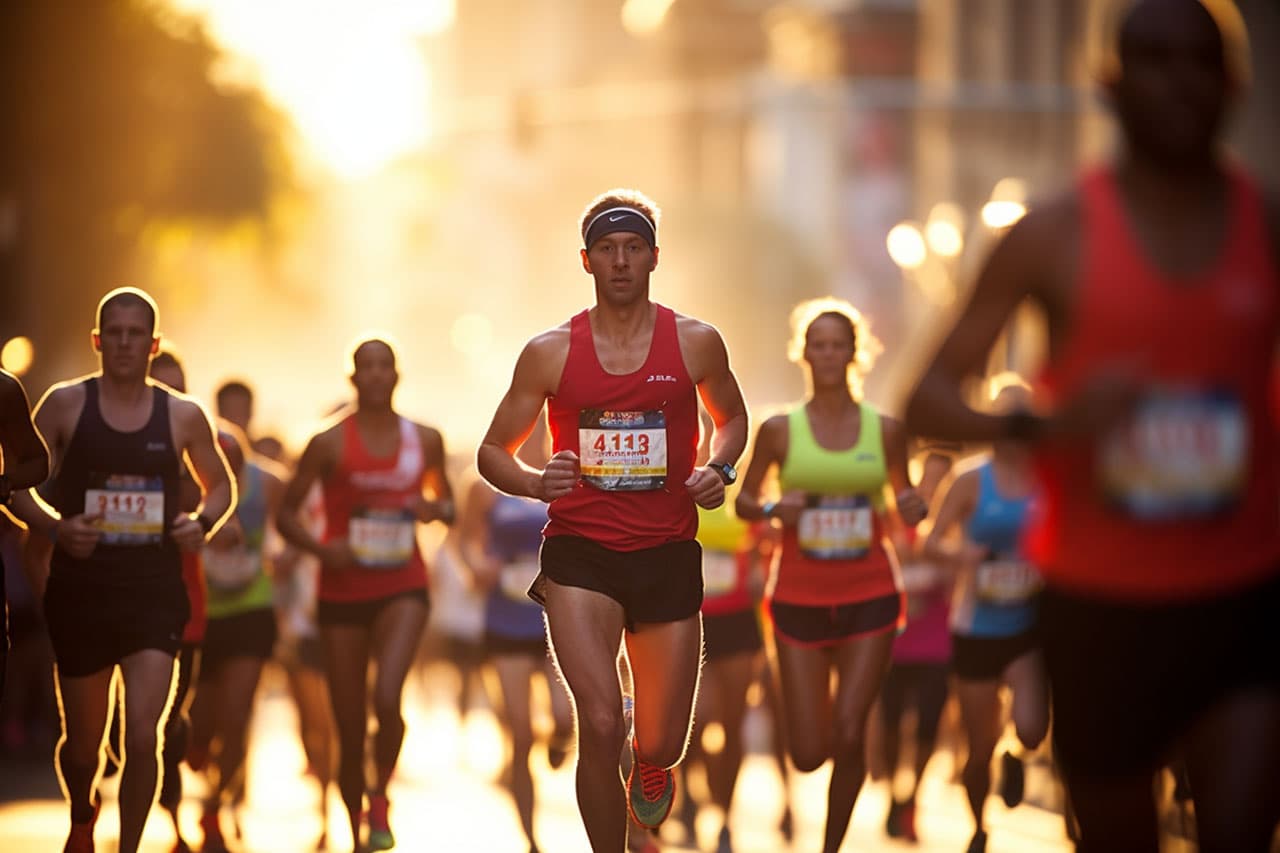
The difference between a good race and a great race often isn't fitness—it's course intelligence. While most runners show up on race day hoping for the best, elite athletes and smart age-groupers arrive with a tactical advantage: complete course mastery. They know every hill, every turn, every opportunity to gain seconds. This guide will teach you their reconnaissance techniques and strategic approaches to transform any half marathon course from unknown territory into your personal racing advantage.
Why Course Knowledge is Your Secret Weapon
Consider this: Research shows that runners who study courses beforehand average 2-4% faster times than those who don't. For a 2-hour half marathoner, that's 2-5 minutes saved through intelligence alone—no extra training required.
Course knowledge provides:
- Optimal pacing strategies based on terrain and elevation
- Energy conservation through efficient tangent running
- Mental confidence from eliminating surprises
- Strategic advantages over less-prepared competitors
- Risk mitigation for challenging sections
Let's dive into the elite techniques that turn course maps into race-day weapons.
Pre-Race Course Reconnaissance: Think Like a Pro
Virtual Course Analysis (2-3 Weeks Before)
Step 1: Deep Dive into Digital Resources
- Official race website course map and elevation profile
- Google Earth flyover for visual reconnaissance
- Street View for ground-level perspective
- Strava segments to see how others run it
- YouTube videos from previous years
- Runner forums for insider knowledge
Step 2: Create Your Course Intelligence Report Document these critical elements:
- Start/finish logistics and layout
- Every significant elevation change
- Sharp turns requiring deceleration
- Aid station exact locations
- Crowd support hot spots
- Potential wind exposure areas
- Sun exposure timing (for morning races)
Physical Course Reconnaissance (1-2 Weeks Before)
If geographically possible, nothing beats boots-on-the-ground intelligence:
The Drive-Through Method:
- Drive the entire course slowly
- Stop at key points for photos
- Note road surfaces and conditions
- Identify visual landmarks for race day
- Check parking and logistics
The Strategic Preview Run:
- Run the most challenging 3-5 miles
- Practice specific hills at race pace
- Test tangent lines through turns
- Time yourself on key segments
- Note wind patterns and exposure
The 8 Essential Course Features Every Smart Runner Masters
1. Start/Finish Area Dynamics
Start Line Intelligence:
- Corral layout and positioning strategy
- Width restrictions and bottlenecks
- First turn distance and angle
- Surface type (road, track, grass)
- Elevation change in first 400m
Tactical Approach:
- Position based on first turn (inside line advantage)
- Account for GPS lag at start
- Plan your "settle zone" (where you'll find race pace)
- Identify merge points if wave start
Finish Line Mastery:
- Final turn distance to finish
- Finish chute width and surface
- Clock visibility for sprint timing
- Post-finish flow and logistics
2. Mile Markers and Timing Mats: Your Strategic Checkpoints
Beyond simple distance markers, use these as tactical tools:
Timing Mat Strategy:
- Usually at 5K, 10K, 15K, 20K
- Use for official split tracking
- GPS recalibration points
- Mental reset opportunities
Mile Marker Intelligence:
- Visibility distance (plan pace checks)
- Crowd density at markers
- Use odd markers for fueling (less crowded)
- Create "effort zones" between markers
Pro Tip: Write goal splits for markers 3, 6, 9, 12 on your hand for quick reference without breaking stride.
3. Aid Stations: Tactical Pit Stops
Move beyond basic hydration to strategic advantage:
Advanced Aid Station Intel:
- Table configuration (both sides? length?)
- Water vs. sports drink order
- Special nutrition availability
- Medical support presence
- Crowd congestion patterns
Elite Execution Strategy:
- Identify "skip candidates" if carrying hydration
- Plan walk/run decisions by station
- Choose approach side based on congestion
- Use less crowded stations for fuel
4. Terrain Variations: Surface Strategy Guide
Different surfaces demand different approaches:
Surface Intelligence Matrix:
- Asphalt: Most common, moderate impact, consistent pace
- Concrete: Harder impact, faster but more fatiguing
- Trail/Dirt: Softer impact but slower, watch footing
- Brick/Cobblestone: Treacherous when wet, shorten stride
- Bridge Surfaces: Often metal grating or wood, adjust form
- Painted Lines: Extremely slippery when wet, avoid
Tactical Adjustments:
- Shorten stride on technical surfaces
- Move to crown of road on cambered sections
- Avoid painted lines and metal covers
- Use softer surfaces for recovery segments
5. Elevation Changes: The Hill Strategy Playbook
Transform hills from obstacles to opportunities:
Uphill Intelligence:
- Grade percentage and length
- Position in race (early hills vs. late)
- Recovery distance after crest
- Wind exposure on climbs
- Crowd support availability
Uphill Execution:
- Effort-based pacing (not speed)
- Shorten stride, increase cadence
- Use crowds for mental boost
- Plan passing zones on hills
- Don't sprint the crest
Downhill Mastery:
- Control speed to prevent quad damage
- Use gravity efficiently
- Maintain form to prevent braking
- Pass conservative descenders
- Bank time without overexertion
6. Turns and Tangents: The Shortest Distance Strategy
The measured course follows the shortest possible route. You should too:
Tangent Running Mathematics:
- Running tangents can save 1-2% distance
- That's 200-400m in a half marathon
- Worth 1-2 minutes for most runners
Turn Strategy Guide:
- Study every turn over 45 degrees
- Plan your line 50m before turns
- Inside line on single turns
- Apex to apex on S-curves
- Wide approach for sharp turns
GPS Considerations:
- Expect 13.3-13.5 miles on GPS
- Don't panic at "long" readings
- Trust course markers over GPS
- Use GPS for pace, markers for distance
7. Crowd Support Zones: Psychological Fuel Stations
Strategic use of crowd energy can transform your race:
Crowd Mapping Intelligence:
- Identify guaranteed crowd zones
- Note "dead zones" needing self-motivation
- Party zones (bands, DJs, cheer squads)
- Friend/family viewing spots
- Finish line approach energy
Crowd Energy Strategy:
- Plan surges leaving high-energy zones
- Use crowds to overcome difficult miles
- High-five kids for energy boost
- Save mental energy in quiet zones
- Feed off finish line atmosphere
8. Mental Landmark Opportunities: Psychological Checkpoints
Create mental waypoints beyond official markers:
Landmark Selection Criteria:
- Visually distinctive features
- Roughly 1-2 mile spacing
- Positive associations
- Easy to remember sequence
Mental Mapping Example:
- Mile 2: Red brick church
- Mile 4: Lake viewpoint
- Mile 6: Downtown skyline
- Mile 8: University campus
- Mile 10: Park entrance
- Mile 12: Final bridge
Use landmarks for:
- Breaking race into segments
- Pace reality checks
- Mental refreshment
- Countdown milestones
Course-Specific Pacing Strategies
The Three-Phase Approach
Phase 1 (Miles 0-4): Course Familiarization
- Start conservatively while systems warm
- Learn actual vs. planned course feel
- Establish rhythm on course terrain
- Bank energy for challenges ahead
Phase 2 (Miles 5-9): Strategic Execution
- Deploy hill strategies
- Maximize flat/downhill sections
- Use crowds strategically
- Maintain tangent discipline
Phase 3 (Miles 10-13.1): Course Mastery
- Leverage course knowledge
- Use landmarks for motivation
- Execute finish strategy
- Pass those who didn't prepare
Elevation-Based Pacing
Net Downhill Course:
- Don't bank excessive time early
- Control downhill pace
- Save quads for late miles
- Expect to positive split slightly
Rolling Hills Course:
- Even effort, variable pace
- Don't chase splits on hills
- Use downhills for recovery
- Focus on average pace
Net Uphill Course:
- Aggressive early pacing
- Accept slower late splits
- Mental preparation crucial
- Celebrate effort over time
Technology and Tools for Course Mastery
Essential Apps and Resources
Pre-Race Analysis:
- Strava Route Builder: Elevation and segments
- Garmin Connect: Course creation and download
- MapMyRun: Community insights
- Google Earth: Visual reconnaissance
Race Day Tools:
- Downloaded offline maps
- Course loaded to GPS watch
- Pace band with landmarks
- Phone for emergency info
Creating Your Course Cheat Sheet
Design a wristband or card with:
- Mile split goals
- Key elevation points
- Aid station locations
- Fuel timing reminders
- Mental cue words
- Emergency contact info
Common Course Challenges and Solutions
Challenge: Unexpected Construction/Changes
Solution: Check race week updates, have pace flexibility
Challenge: Weather-Affected Surfaces
Solution: Bring multiple shoe options, adjust expectations
Challenge: Crowded Narrow Sections
Solution: Position early, patience over aggression
Challenge: GPS Signal Issues (tunnels/trees)
Solution: Know pace by feel, trust official markers
Challenge: Late Race Navigation Fatigue
Solution: Simple landmark system, written notes
Your Course Mastery Action Plan
3 Weeks Before: Intelligence Gathering
- Download and print course map
- Study elevation profile in detail
- Research previous year results/reports
- Create initial pacing strategy
- Join race-specific online groups
2 Weeks Before: Active Reconnaissance
- Virtual tour via Google Earth
- Drive or run key sections
- Finalize pace strategy
- Create course cheat sheet
- Plan race day logistics
1 Week Before: Mental Preparation
- Visualize entire course
- Review reconnaissance notes
- Confirm weather contingencies
- Brief support crew on viewing spots
- Load course to GPS device
Race Day: Execute Your Intelligence
- Arrive early for final reconnaissance
- Warm up on start area terrain
- Review cheat sheet
- Trust your preparation
- Execute your plan
The Competitive Edge
Remember: While others react to the course, you'll be proactively executing a strategic plan. Your reconnaissance transforms unknown challenges into expected features. Your preparation turns potential obstacles into opportunities.
Course mastery isn't about memorizing every detail—it's about eliminating surprises and maximizing opportunities. The runners you'll pass in the final miles? They're the ones who showed up hoping for the best. You'll show up knowing exactly how to achieve it.
Now get out there and scout that course. Your PR awaits those who prepare!
Tags
Related Articles
How to Pace a Half Marathon: Goal Pace Math, Splits, and Race-Day Adjustments
A half marathon pacing plan is math, not guesswork. Here's how to calculate your goal pace, build a mile-by-mile split strategy with negative splits, and adjust that plan for hills, heat, and wind on race day.
Half Marathon Weather Contingencies: Heat, Rain, Wind, and Cold
Gear and pacing adjustments for four race-day weather scenarios — heat, rain, wind, and cold — so a forecast surprise doesn't derail months of training.
Maximizing Aid Stations: The Complete Guide to Race Day Hydration and Fueling Success
Master the art of aid station efficiency with this comprehensive guide. Learn professional techniques for hydration, fueling, and navigation that can save minutes off your half marathon time while keeping you properly fueled.
Mastering Race Day Nutrition: Fueling for a Successful Half Marathon
What to eat and drink on half marathon race day: carb-loading in the days before, race-morning breakfast timing, in-race fueling, and how to recover afterward.