Half Marathon Recovery Guide
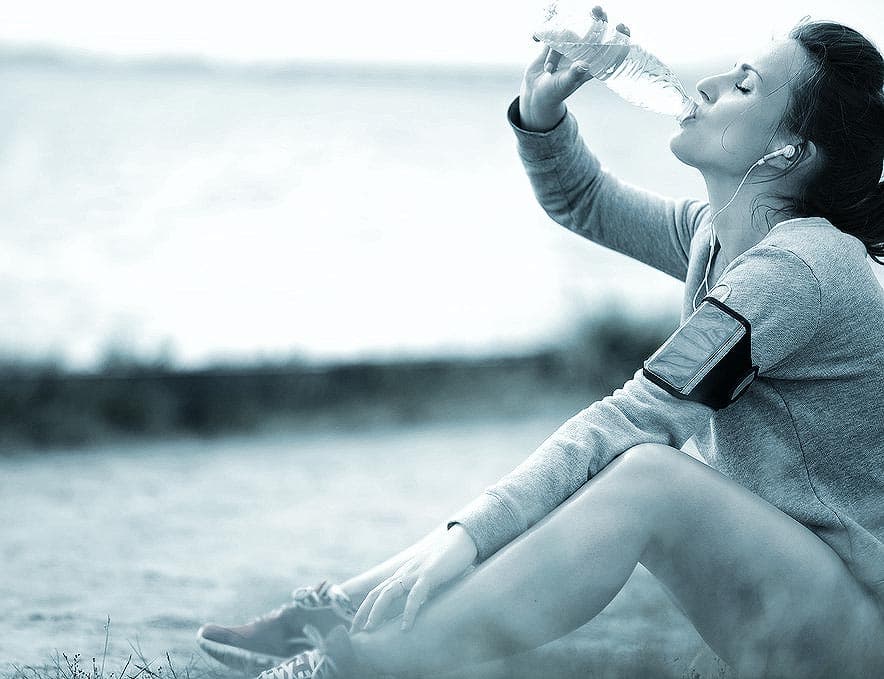
Completing a half marathon is a significant achievement that places considerable stress on your body, regardless of your finishing time or experience level. The 13.1-mile distance demands months of preparation and pushes your cardiovascular, muscular, and energy systems to their limits. Proper recovery is not just about feeling better – it's a critical process that determines how quickly you can return to training and how well you'll perform in future races.
This comprehensive half marathon recovery guide provides evidence-based strategies to optimize your post-race recovery, prevent injury, and set the foundation for continued running success. Whether you're a first-time finisher or a seasoned veteran, understanding and implementing proper recovery protocols will help you bounce back stronger and more resilient.
Table of Contents
- Understanding Half Marathon Recovery Science
- Immediate Post-Race Recovery (0-2 Hours)
- Acute Recovery Phase (2-24 Hours)
- Short-Term Recovery (1-7 Days)
- Return to Training Protocol (Week 2-4)
- Nutrition and Hydration for Recovery
- Sleep and Recovery Optimization
- Mental and Emotional Recovery
- When to Seek Professional Help
Understanding Half Marathon Recovery Science
To optimize your recovery, it's essential to understand what happens to your body during a half marathon and why proper recovery protocols are crucial.
Physiological Impact of Half Marathon Distance
Muscle Damage and Inflammation: Running 13.1 miles creates microscopic tears in muscle fibers, particularly in the quadriceps, calves, and glutes. This damage triggers an inflammatory response that, while necessary for adaptation, requires proper management for optimal recovery.
Glycogen Depletion: Your muscles and liver store approximately 2,000 calories worth of glycogen. A half marathon typically burns 1,300-1,800 calories, significantly depleting these energy stores and requiring strategic replenishment.
Cardiovascular Stress: Your heart rate remains elevated for an extended period, placing stress on the cardiovascular system. Recovery involves returning heart rate variability to baseline and allowing blood pressure to normalize.
Metabolic Byproduct Accumulation: Lactate, hydrogen ions, and other metabolic byproducts accumulate during prolonged exercise, requiring clearance through proper recovery techniques.
Recovery Timeline Phases
Understanding recovery as distinct phases helps optimize your approach:
Phase 1: Immediate (0-2 hours) - Priority on stopping further damage Phase 2: Acute (2-24 hours) - Focus on inflammation management and replenishment Phase 3: Short-term (1-7 days) - Active recovery and gentle movement Phase 4: Return to training (Week 2-4) - Gradual resumption of structured training
Immediate Post-Race Recovery (0-2 Hours)
The first two hours after crossing the finish line are critical for setting the stage for optimal recovery.
Cool-Down Protocol
Immediate Actions (0-15 minutes):
- Keep walking for 10-15 minutes after finishing
- Avoid sitting or lying down immediately
- Maintain light movement to prevent blood pooling
- Focus on slow, deep breathing to begin heart rate recovery
Dynamic Recovery (15-30 minutes):
- Gentle walking continues
- Light dynamic stretching of major muscle groups
- Avoid static stretching when muscles are still warm and potentially damaged
Hydration and Initial Nutrition
Fluid Replacement: Calculate your fluid losses and begin immediate replacement:
- Weigh yourself before and after the race if possible
- Drink 150% of your weight loss over the next 4-6 hours
- Include electrolytes, not just water
Immediate Nutrition Window: Within 30 minutes post-race, consume:
- 1-1.2g carbohydrates per kg body weight
- 15-25g high-quality protein
- Example: Chocolate milk, recovery smoothie, or banana with Greek yogurt
Temperature Therapy
Cold Water Immersion: If available, ice baths can significantly enhance recovery:
- Temperature: 50-60°F (10-15°C)
- Duration: 10-15 minutes
- Benefits: Reduced inflammation, pain relief, faster metabolic byproduct clearance
- Alternative: Cold shower for 5-10 minutes
Contrast Therapy: Alternating hot and cold exposure:
- 3-4 minutes warm water followed by 30-60 seconds cold
- Repeat 3-4 cycles, ending with cold
- Promotes blood flow and reduces inflammation
Acute Recovery Phase (2-24 Hours)
The 24 hours following your race are crucial for managing inflammation and beginning the repair process.
Advanced Nutrition Strategy
2-4 Hours Post-Race: Focus on a balanced meal containing:
- Carbohydrates: 1.5g per kg body weight to replenish glycogen
- Protein: 20-30g to support muscle protein synthesis
- Anti-inflammatory foods: Tart cherry juice, omega-3 rich fish, leafy greens
- Hydration: Continue fluid replacement with water and electrolytes
Evening Meal (6-8 hours post-race): Emphasize recovery-supporting nutrients:
- Complex carbohydrates for continued glycogen replenishment
- Lean protein sources for muscle repair
- Antioxidant-rich vegetables to combat oxidative stress
- Healthy fats to support hormone production
Sleep Optimization
First Night Recovery Sleep: Quality sleep is when most muscle repair occurs:
- Aim for 8-10 hours of sleep
- Keep room cool (65-68°F) to aid natural recovery processes
- Elevate legs slightly to promote circulation
- Avoid alcohol, which impairs sleep quality and recovery
Sleep Hygiene Protocol:
- No screens 1 hour before bed
- Light stretching or meditation before sleep
- Consider magnesium supplementation for muscle relaxation
- Use blackout curtains to maximize melatonin production
Movement and Circulation
Gentle Movement Activities: Avoid complete rest, but keep intensity very low:
- 20-30 minute easy walks
- Gentle yoga or stretching
- Light swimming if available
- Avoid running or high-impact activities
Circulation Enhancement:
- Elevate legs above heart level for 15-20 minutes, 2-3 times
- Compression garments for 2-6 hours post-race
- Self-massage with foam roller or massage tools
- Deep breathing exercises to promote relaxation
Short-Term Recovery (1-7 Days)
The week following your half marathon focuses on active recovery while allowing damaged tissues to repair.
Daily Recovery Activities
Days 1-3: Gentle Movement Focus
Day 1 (24-48 hours post-race):
- 20-30 minutes easy walking
- Gentle stretching or restorative yoga
- Continued focus on nutrition and hydration
- Ice baths or contrast showers if soreness persists
Day 2-3:
- 30-45 minutes low-impact activity (walking, easy cycling, swimming)
- Longer stretching sessions (20-30 minutes)
- Self-massage or professional massage
- Monitor soreness levels and adjust activity accordingly
Days 4-7: Active Recovery Integration
Day 4-5:
- Option for easy 20-30 minute jog if feeling good
- Cross-training activities (yoga, cycling, swimming)
- Continue mobility and flexibility work
- Assess energy levels and motivation
Day 6-7:
- Easy 30-40 minute runs if soreness has subsided
- Maintain cross-training activities
- Begin planning return to structured training
- Focus on movement quality over quantity
Recovery Monitoring
Subjective Assessment Indicators: Rate daily on a 1-10 scale:
- Muscle soreness levels
- Energy and motivation
- Sleep quality
- Mood and mental state
- Appetite and digestion
Objective Measurements:
- Resting heart rate (should return to normal by day 3-4)
- Heart rate variability if you track it
- Body weight (should stabilize by day 2-3)
- Performance in easy activities
Red Flags Requiring Extended Rest:
- Persistent muscle pain beyond day 4
- Elevated resting heart rate after day 4
- Continued fatigue and low energy
- Loss of appetite or digestive issues
- Mood changes or motivation loss
Therapeutic Interventions
Professional Massage: Schedule for 2-4 days post-race:
- Request lighter pressure than usual
- Focus on major muscle groups (quads, hamstrings, calves, glutes)
- Communicate about sensitive areas and pain levels
- Combine with stretching for maximum benefit
Compression Therapy: Compression gear can help eliminate the build up of lactic acid and reduce soreness:
- Wear compression socks/sleeves for 2-6 hours daily
- Use during sleep for first 2-3 nights if comfortable
- Combine with elevation for enhanced circulation
- Gradually reduce usage as soreness decreases
 Proper rehydration is critical for optimal recovery and should continue for several days post-race.
Return to Training Protocol (Week 2-4)
Gradually returning to structured training prevents injury and ensures you're stronger for future races.
Week 2: Testing the Waters
Training Guidelines:
- Maximum 3-4 runs per week
- Easy pace only (conversational effort)
- 50% of pre-race weekly mileage
- No tempo runs, intervals, or long runs
- Continue cross-training activities
Sample Week 2 Schedule:
- Monday: Rest or easy cross-training
- Tuesday: 3-4 mile easy run
- Wednesday: Cross-training (yoga, cycling, swimming)
- Thursday: 3-4 mile easy run
- Friday: Rest
- Saturday: 4-5 mile easy run
- Sunday: Cross-training or rest
Week 3: Building Consistency
Training Guidelines:
- 4-5 runs per week
- 70% of pre-race weekly mileage
- Introduce one tempo run (short: 15-20 minutes)
- One longer run (6-8 miles at easy pace)
- Continue strength training and flexibility work
Week 4: Return to Structure
Training Guidelines:
- 5-6 runs per week
- 85% of pre-race weekly mileage
- Include tempo runs and light speed work
- Long run up to 10-12 miles
- Resume normal training structure with modifications
Important Considerations:
- Listen to your body over rigid schedule adherence
- Some runners need 3-4 weeks before full training resumption
- Consider working with a coach for personalized guidance
- Plan your next race no sooner than 4-6 weeks post-recovery, and use a race time predictor to set a realistic goal based on recent fitness
Nutrition and Hydration for Recovery
Proper nutrition and hydration significantly impact recovery speed and quality. A hydration calculator can help you estimate how much fluid to replace based on your body weight and sweat losses.
Hydration Strategy
Daily Hydration Goals:
- 35-40ml per kg body weight daily
- Additional 500-750ml for every hour of exercise
- Monitor urine color: pale yellow indicates adequate hydration
- Include electrolytes, especially sodium and potassium
Hydration Timeline:
- Day 1-2: Aggressive rehydration (150% of losses)
- Day 3-7: Maintain high fluid intake
- Week 2+: Return to normal hydration patterns
- Signs of dehydration: Dark urine, persistent fatigue, headaches
Recovery Nutrition Protocol
Anti-Inflammatory Foods: Emphasize foods that reduce inflammation and support healing:
- Tart cherry juice: Contains natural anti-inflammatories
- Fatty fish: Omega-3s reduce inflammation and support recovery
- Leafy greens: Antioxidants combat exercise-induced oxidative stress
- Berries: High in antioxidants and vitamin C
- Turmeric and ginger: Natural anti-inflammatory compounds
Macronutrient Distribution:
- Carbohydrates: 6-8g per kg body weight daily for glycogen replenishment
- Protein: 1.6-2.2g per kg body weight daily for muscle repair
- Fats: 1-1.5g per kg body weight daily for hormone production
Meal Timing:
- Eat within 30 minutes post-race
- Continue eating every 3-4 hours for first 24 hours
- Don't skip meals even if appetite is reduced
- Focus on whole foods over processed options
Supplements to Consider:
- Magnesium: Supports muscle relaxation and sleep
- Vitamin D: Important for bone health and immune function
- Probiotics: Support gut health during recovery stress
- Tart cherry extract: Natural anti-inflammatory and sleep aid
Sleep and Recovery Optimization
Quality sleep is when most recovery adaptations occur, making it crucial for optimal healing.
Sleep Requirements During Recovery
Quantity Guidelines:
- 8-10 hours per night for first week post-race
- Additional 30-60 minutes above normal sleep needs
- Naps of 20-30 minutes if needed, but avoid long daytime sleep
- Consistent sleep/wake times to regulate circadian rhythms
Quality Optimization:
- Room temperature 65-68°F for optimal recovery
- Complete darkness or blackout curtains
- White noise or earplugs to minimize disruptions
- Comfortable mattress and pillows to reduce pressure points
Sleep Recovery Protocol
Pre-Sleep Routine:
- No screens 1 hour before bed
- Light stretching or meditation (10-15 minutes)
- Warm bath or shower to promote relaxation
- Reading or other quiet activities
Sleep Environment:
- Remove electronic devices from bedroom
- Use comfortable, moisture-wicking sleepwear
- Consider slight leg elevation with pillow
- Maintain consistent bedroom temperature
Managing Sleep Disruptions:
- Some muscle soreness may disrupt sleep initially
- Change positions frequently to reduce stiffness
- Use pillows to support sore areas
- Consider natural sleep aids like chamomile tea or magnesium
Mental and Emotional Recovery
Half marathon completion often triggers emotional responses that require attention and management.
Post-Race Emotional Responses
Common Emotional Patterns:
- Euphoria: Immediate high from accomplishment
- Emptiness: "What's next?" feeling after achieving goal
- Disappointment: If race didn't meet expectations
- Relief: Stress release from months of training
- Anxiety: About returning to normal routine
The Post-Race Blues: Many runners experience mild depression after major races:
- Loss of training structure and purpose
- Reduced endorphin production from decreased activity
- Social aspect of training groups may be missed
- Normal response that typically resolves within 1-2 weeks
Emotional Recovery Strategies
Build New Goals: Setting future objectives helps maintain motivation and purpose:
- Immediate goals: Focus on recovery and returning to training
- Short-term goals: Plan next race or fitness objective (3-6 months)
- Long-term goals: Consider new distances or challenges (6+ months)
- Process goals: Focus on technique, consistency, or enjoyment
Maintain Social Connections:
- Stay connected with training partners and running community
- Share your race experience and recovery journey
- Consider joining recovery-focused group activities
- Celebrate your achievement with friends and family
Reflection and Planning:
- Journal about your race experience and training journey
- Identify what worked well and areas for improvement
- Plan how to apply lessons learned to future training
- Consider working with a coach for continued development
Motivation and Goal Setting
Immediate Post-Race Period (Week 1-2):
- Focus on recovery and celebration of achievement
- Avoid making major training or racing decisions
- Allow emotions to stabilize before future planning
- Maintain light physical activity for mood regulation
Planning Phase (Week 3-4):
- Assess what you learned from the training cycle
- Consider what you enjoyed most and least about the process
- Set realistic timelines for future goals
- Research new races or challenges that excite you
New Goal Integration (Month 2+):
- Commit to new objectives with specific timelines
- Adjust training approach based on lessons learned
- Consider working with professionals (coach, nutritionist)
- Balance running goals with other life priorities
When to Seek Professional Help
Understanding when recovery isn't progressing normally can prevent minor issues from becoming major problems.
Warning Signs Requiring Medical Attention
Physical Red Flags:
- Persistent pain that worsens rather than improves after day 3
- Swelling that doesn't respond to ice and elevation
- Signs of stress fracture (localized bone pain)
- Chest pain or unusual shortness of breath
- Severe dehydration symptoms despite fluid intake
Systemic Concerns:
- Fever or signs of infection
- Persistent nausea or vomiting beyond first day
- Unusual fatigue lasting more than one week
- Sleep disturbances continuing beyond first few nights
- Loss of appetite lasting more than 2-3 days
Professional Recovery Support
Sports Medicine Physicians: Consider consultation if:
- This was your first half marathon and you're unsure about normal recovery
- You have a history of running injuries
- Pain persists beyond expected timeframes
- You want to optimize recovery for future performance
Physical Therapists: Beneficial for:
- Movement assessment and correction
- Addressing muscle imbalances revealed during race
- Learning proper recovery techniques
- Managing persistent soreness or stiffness
Sports Psychologists: Consider if experiencing:
- Severe post-race depression or anxiety
- Difficulty setting new goals or finding motivation
- Performance anxiety about future races
- Need help processing disappointing race results
Registered Dietitians: Helpful for:
- Optimizing recovery nutrition protocols
- Addressing digestive issues during or after race
- Planning nutrition for future training cycles
- Managing weight or body composition goals
Your Complete Recovery Success Plan
Half marathon recovery is not a passive process – it requires the same attention and planning you devoted to your training. By following this comprehensive guide, you'll not only recover more quickly and completely but also set the foundation for future running success.
Remember that recovery is highly individual. While this guide provides evidence-based protocols, listen to your body and adjust accordingly. Some runners bounce back quickly, while others need additional time. Both patterns are normal and should be respected.
The most successful runners view recovery as an integral part of their training cycle, not a break from it. By prioritizing proper recovery, you're investing in your long-term running health and performance. Each recovery cycle teaches you more about your body's needs and responses, making you a more intelligent and resilient runner over time.
Your half marathon finish line was just the beginning. Proper recovery ensures you'll be ready for whatever running adventure comes next, whether that's another half marathon, your first full marathon, or simply maintaining a lifelong love of running.
Congratulations on your achievement, and here's to your complete recovery and future running success!## Frequently Asked Questions
How long does it take to recover from a half marathon?
Recovery happens in phases. The immediate phase covers the first two hours, the acute phase the first 24 hours, short-term recovery spans one to seven days, and a gradual return to training takes place across weeks two to four. Resting heart rate usually returns to normal by day three or four, and some runners need three to four weeks before resuming full training. Plan your next race no sooner than four to six weeks after recovery.
What should you eat after a half marathon?
Within 30 minutes of finishing, aim for about 1 to 1.2 grams of carbohydrates per kilogram of body weight and 15 to 25 grams of high-quality protein, such as chocolate milk, a recovery smoothie, or a banana with Greek yogurt. Over the following hours, eat balanced meals with more carbohydrates and protein plus anti-inflammatory foods like tart cherry juice, fatty fish, and leafy greens, and keep replacing fluids and electrolytes.
Should you take an ice bath after a half marathon?
If one is available, cold water immersion can help. The guide suggests water around 50 to 60 degrees Fahrenheit for 10 to 15 minutes to reduce inflammation, relieve pain, and speed clearance of metabolic byproducts. A cold shower for five to ten minutes is a simpler alternative, and contrast therapy that alternates warm and cold water can promote blood flow and reduce inflammation.
When can you start running again after a half marathon?
Avoid running for the first day or two and focus on gentle walking and stretching. An easy 20 to 30 minute jog is an option around days four and five if you feel good, and easy 30 to 40 minute runs are fine by days six and seven once soreness subsides. In week two, keep to easy runs at about 50 percent of your pre-race mileage before gradually building back up in weeks three and four.
Related Articles
5 Essential Half Marathon Recovery Methods Every Runner Should Know
Proper recovery is a crucial yet often neglected part of half marathon training. This article explores five essential recovery methods to help you bounce back faster, prevent injuries, and set the stage for your next race.
The Athletic Medicine Guide to Half Marathon Injury Prevention: Evidence-Based Strategies for Peak Performance
Master the science of injury prevention with this comprehensive medical guide. Learn evidence-based strategies, risk assessment tools, and expert protocols that keep half marathon runners performing at their peak while avoiding the most common injuries.
The Science of Rest & Recovery: Your Secret Weapon for Half Marathon Success
Discover why strategic rest and recovery can improve your performance by 15-20%. Complete guide with recovery protocols, sleep optimization, and signs you're overtraining.
The 5-Step Plan to Prevent Most Common Half Marathon Injuries
Training for a half marathon brings potential pitfalls, and without careful planning, mistakes can lead to injuries. This article offers a 5-step plan based on years of running and coaching experience, detailing how to avoid common half marathon injuries and train effectively.