5 Essential Half Marathon Recovery Methods Every Runner Should Know
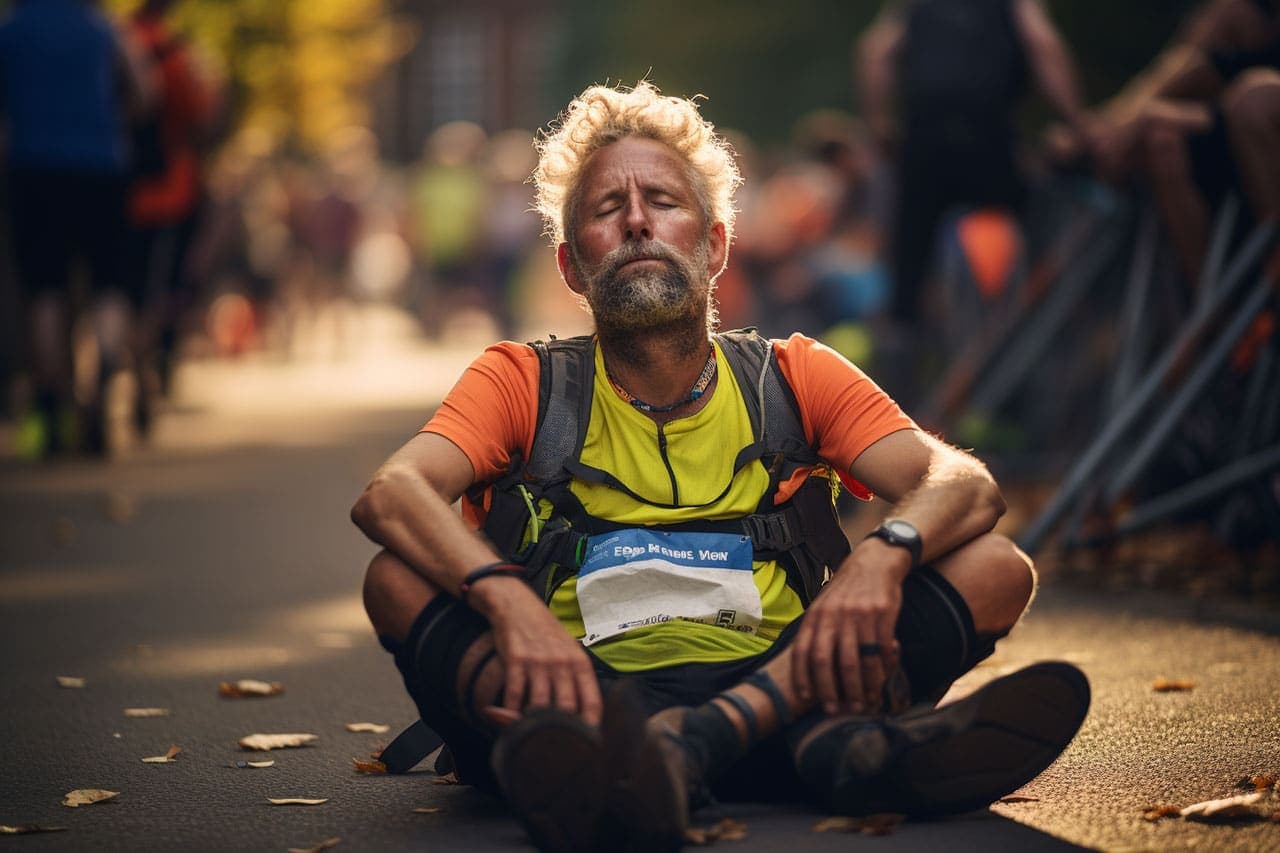
Recovery is where champions are made. While the finish line celebration gets all the attention, what happens in the hours, days, and weeks following your half marathon determines whether your racing experience becomes a stepping stone to greater achievements or a cautionary tale of missed opportunities. As a sports scientist and performance coach who has guided athletes from recreational runners to Olympic qualifiers, I can say with certainty that recovery is not what happens after training—it is training.
The physiological demands of covering 13.1 miles at race pace create a complex cascade of adaptations, damage, and depletion that requires systematic, evidence-based recovery protocols to optimize. Modern sports science has revolutionized our understanding of recovery, revealing it as an active process that can be strategically enhanced rather than passively endured.
This comprehensive guide presents five essential recovery methods that represent the culmination of decades of research in exercise physiology, sports nutrition, and recovery science. These aren't just suggestions—they're evidence-based protocols that can mean the difference between a successful racing season and months of suboptimal training or injury recovery.
The Science of Post-Exercise Recovery: Understanding What Your Body Needs
Before exploring specific recovery methods, it's crucial to understand the physiological processes that occur during and after intense exercise like a half marathon. This knowledge transforms recovery from a vague concept into a targeted intervention.
The Physiological Toll of Half Marathon Racing
Metabolic Disruption:
- Glycogen depletion: Muscle and liver carbohydrate stores can be reduced by 60-90%
- Dehydration: Fluid losses of 2-8% of body weight depending on conditions
- Electrolyte imbalance: Significant sodium, potassium, and magnesium losses
- Substrate utilization shift: Increased reliance on protein catabolism for energy
Structural Damage:
- Muscle fiber microtears: Particularly in eccentric-loading muscles (quadriceps, calves)
- Connective tissue stress: Tendons, ligaments, and fascia experience accumulated loading
- Cellular membrane disruption: Increased muscle enzyme leakage (CK, LDH markers)
- Inflammatory response: Acute inflammation as part of normal adaptation process
Neurological Fatigue:
- Central nervous system fatigue: Reduced neural drive to muscles
- Peripheral fatigue: Impaired excitation-contraction coupling
- Neuromuscular coordination: Temporary decrements in movement quality
- Autonomic disruption: Altered heart rate variability and stress response
Hormonal Perturbations:
- Cortisol elevation: Stress hormone increases lasting 24-72 hours
- Growth hormone fluctuation: Important for tissue repair and adaptation
- Testosterone suppression: Temporary reduction in anabolic hormones
- Thyroid hormone changes: Metabolic regulation adjustments
Understanding these changes allows us to target recovery interventions precisely where they're needed most.
Method 1: The Strategic Post-Race Cool-Down Protocol
The cool-down period represents your first and most time-sensitive opportunity to begin the recovery process. Far from being a simple wind-down, an effective cool-down is a structured intervention that can significantly impact your recovery timeline and quality.
The Physiological Rationale for Cool-Down
Metabolic Waste Clearance: During intense exercise, metabolic byproducts like lactate, hydrogen ions, and inorganic phosphates accumulate in muscle tissue. Active recovery through light movement enhances blood flow, accelerating the removal of these substances through improved circulation.
Cardiovascular Transition: Abrupt cessation of exercise can lead to venous pooling, potentially causing dizziness, nausea, or more serious cardiovascular complications. Gradual reduction in intensity allows for smooth cardiovascular adaptation back to resting levels.
Neurological Reset: The cool-down provides an opportunity to reset movement patterns and address any compensations that may have developed during the race due to fatigue or minor discomfort.
The Evidence-Based Cool-Down Protocol
Phase 1: Active Recovery Walking (10-15 minutes)
Minutes 0-5: Very slow walking pace (2-3 mph)
- Focus on maintaining upright posture
- Use diaphragmatic breathing (4-second inhale, 6-second exhale)
- Allow heart rate to decrease naturally
- Begin mental transition from race intensity
Minutes 5-10: Comfortable walking pace (3-4 mph)
- Incorporate gentle arm swings
- Focus on normal, relaxed gait patterns
- Continue deep breathing exercises
- Begin assessing how different body parts feel
Minutes 10-15: Easy walking with movement integration
- Add gentle torso rotations while walking
- Include arm circles and shoulder rolls
- Practice normal walking patterns
- Prepare for stretching phase
Phase 2: Dynamic Movement and Static Stretching (15-20 minutes)
Dynamic Movement Preparation (5 minutes): Before static stretching, prepare tissues with gentle dynamic movement:
- Gentle leg swings: 10 per leg, front-to-back and side-to-side
- Walking high knees: 20 steps, very gentle and controlled
- Walking butt kicks: 20 steps, emphasizing controlled movement
- Gentle hip circles: 10 each direction per leg
- Arm circles: 10 forward and backward, each arm
Static Stretching Sequence (10-15 minutes): Hold each stretch for 45-60 seconds, breathing deeply throughout:
-
Standing calf stretch:
- Against wall or stable surface
- Address both gastrocnemius (straight leg) and soleus (bent knee)
- Focus on gradual, sustained stretch
-
Standing quadriceps stretch:
- Use wall for balance if needed
- Avoid pulling too aggressively
- Focus on hip extension rather than knee flexion
-
Standing figure-four hip stretch:
- Targets glutes and hip external rotators
- Can be done with chair or bench for support
- Maintain neutral spine position
-
Standing hamstring stretch:
- Use elevated surface (bench, curb, car bumper)
- Keep spine neutral, hinge at hips
- Feel stretch in belly of muscle, not behind knee
-
Standing IT band stretch:
- Cross legs, reach toward non-weight-bearing side
- Feel stretch along outside of thigh
- Can modify by using wall for support
-
Hip flexor stretch:
- Low lunge position
- Focus on posterior pelvic tilt
- Feel stretch in front of hip
-
Gentle spinal twist:
- Seated or standing
- Rotate slowly and hold
- Include both directions
Phase 3: Relaxation and Assessment (5-10 minutes):
- Find quiet space to sit or lie down
- Practice progressive muscle relaxation
- Conduct mental body scan for areas of concern
- Begin planning immediate post-race nutrition and hydration
Common Cool-Down Mistakes to Avoid
Mistake 1: Immediate Complete Cessation
- Stopping all movement immediately after finishing
- Can lead to venous pooling and cardiovascular stress
- Solution: Always include 10+ minutes of walking
Mistake 2: Aggressive Stretching
- Forcing stretches when muscles are still warm and potentially damaged
- Can cause additional tissue trauma
- Solution: Use gentle, sustained stretches with focus on breathing
Mistake 3: Skipping Due to Time Pressure
- Rushing to leave race venue without proper cool-down
- Sets up poor recovery for days following
- Solution: Plan 30+ minutes post-race for complete cool-down
Method 2: Strategic Hydration and Nutrition Repletion
Post-race nutrition and hydration represent perhaps the most time-sensitive aspect of recovery. The window of opportunity for optimal nutrient uptake and glycogen resynthesis is limited, making strategic fueling crucial for both immediate recovery and future performance.
The Science of Post-Exercise Nutrition
Glycogen Resynthesis Windows: Research identifies two distinct phases of glycogen replenishment:
- Rapid phase (0-2 hours): Insulin-independent glucose uptake allows for 15-20% glycogen restoration
- Slow phase (2-24+ hours): Insulin-dependent process that can restore remaining glycogen stores
Protein Synthesis Optimization: Post-exercise protein synthesis remains elevated for 24-48 hours, with peak rates occurring 1-3 hours post-exercise. This window is critical for muscle repair and adaptation.
Fluid and Electrolyte Balance: Exercise-induced dehydration affects virtually every physiological system. Optimal rehydration requires attention to both fluid volume and electrolyte composition.
The Comprehensive Rehydration Strategy
Immediate Post-Race Hydration (0-30 minutes):
Fluid Volume Calculation: Optimal rehydration requires consuming 150% of fluid weight lost during exercise:
- Pre-race weight - Post-race weight = Fluid deficit
- Fluid deficit × 1.5 = Rehydration target
- Example: 3-pound loss requires 4.5 pounds (72 oz) fluid intake
Electrolyte Replacement Priorities:
- Sodium: 200-300mg per 8oz fluid (critical for retention)
- Potassium: 150-250mg per 8oz fluid (muscle/nerve function)
- Magnesium: 50-100mg total (muscle relaxation, enzyme function)
- Calcium: 100-200mg total (muscle contraction, bone health)
Optimal Rehydration Beverages:
- Commercial sports drinks: Convenient but check sodium content
- Coconut water with added sodium: Natural electrolytes with sodium boost
- Homemade electrolyte solution: Water + sea salt + potassium salt + flavoring
- Milk-based recovery drinks: Provides electrolytes plus protein
Rehydration Timeline:
- 0-15 minutes: 8-12oz electrolyte solution, sip slowly
- 15-30 minutes: Additional 8-16oz based on thirst and tolerance
- 30-60 minutes: Continue steady intake, monitor urine color
- 1-4 hours: Achieve full rehydration target through steady intake
The Strategic Nutrition Protocol
Immediate Post-Race Nutrition (0-30 minutes):
The Golden Ratio: 3:1 to 4:1 Carbohydrate to Protein: Research consistently demonstrates optimal recovery when post-exercise nutrition provides carbohydrates and protein in specific ratios:
- Carbohydrates: 1.0-1.2g per kg body weight
- Protein: 0.25-0.3g per kg body weight
- Timing: Within 30 minutes for maximum benefit
Practical Implementation Examples:
For 70kg (154lb) runner:
- Carbohydrate target: 70-84g
- Protein target: 17.5-21g
Recovery Options:
- Chocolate milk: 20oz provides ~80g carbs, ~20g protein
- Greek yogurt with fruit: 1 cup yogurt + 1 banana provides ~75g carbs, ~20g protein
- Recovery smoothie: Banana + protein powder + milk provides targeted ratios
- Sports nutrition products: Many designed with optimal ratios
Extended Nutrition Strategy (30 minutes - 4 hours):
Meal 1 (30-90 minutes post-race):
- Focus: Continue glycogen resynthesis, provide sustained protein
- Composition: Balanced meal with emphasis on quality carbohydrates
- Examples: Oatmeal with Greek yogurt and berries; sweet potato with eggs; rice bowl with chicken and vegetables
Meal 2 (2-4 hours post-race):
- Focus: Comprehensive nutrition with anti-inflammatory emphasis
- Composition: Lean protein, complex carbohydrates, healthy fats, colorful vegetables
- Examples: Salmon with quinoa and roasted vegetables; turkey sandwich on whole grain with avocado and vegetables
Anti-Inflammatory Nutrition Strategies
Acute Phase Response Management: The post-exercise inflammatory response is normal and necessary for adaptation, but excessive inflammation can impair recovery. Strategic nutrition can optimize this process:
Omega-3 Fatty Acids:
- Target: 2-3g EPA/DHA in 24-hour post-race period
- Sources: Fatty fish, fish oil supplements, algae oil
- Benefit: Reduces excessive inflammation while supporting necessary healing
Polyphenol-Rich Foods:
- Sources: Tart cherry juice, blueberries, pomegranate juice, dark chocolate, green tea
- Mechanism: Antioxidant activity and anti-inflammatory signaling
- Timing: Include with each post-race meal for 48-72 hours
Specific Anti-Inflammatory Foods:
- Tart cherry juice: 8-12oz provides natural anti-inflammatory compounds
- Turmeric: 1-2 tsp with black pepper enhances absorption
- Ginger: Fresh or powdered, aids digestion and reduces inflammation
- Leafy greens: High in antioxidants and nitrates for circulation
- Nuts and seeds: Provide healthy fats and vitamin E
Advanced Nutritional Considerations
Individual Digestive Tolerance: Post-race digestive systems may be sensitive. Strategies include:
- Start with easily digestible options
- Avoid high-fiber foods immediately post-race
- Monitor individual tolerance to dairy, gluten, or other potential irritants
- Have backup nutrition options available
Environmental Considerations:
- Hot weather: Emphasize fluid replacement and cooling foods
- Cold weather: May have better appetite for solid foods sooner
- Altitude: Increased fluid needs and potential appetite changes
- Travel: Plan portable, shelf-stable recovery nutrition
Method 3: Sleep and Recovery Optimization
Sleep represents the ultimate recovery modality—a natural, powerful, and free intervention that optimizes virtually every aspect of post-exercise adaptation. Yet it's often the most neglected aspect of recovery protocols, despite mounting scientific evidence of its crucial importance.
The Neuroscience of Sleep and Recovery
Sleep Architecture and Athletic Recovery:
Stage 1-2 (Light Sleep):
- Duration: 5-10% and 45-55% of total sleep respectively
- Function: Transition into restorative sleep, muscle relaxation begins
- Recovery relevance: Nervous system begins to downregulate from exercise stress
Stage 3 (Slow-Wave/Deep Sleep):
- Duration: 15-25% of total sleep
- Function: Growth hormone release, tissue repair, memory consolidation
- Recovery relevance: Peak time for muscle repair and glycogen replenishment
REM Sleep:
- Duration: 20-25% of total sleep
- Function: Brain recovery, motor learning consolidation, emotional processing
- Recovery relevance: Integration of movement patterns and psychological recovery
The Post-Race Sleep Optimization Protocol
Race Day Sleep Preparation:
Pre-Sleep Routine (2-3 hours before bed):
- Nutrition cutoff: Finish eating 2-3 hours before sleep
- Caffeine clearance: Avoid caffeine 6+ hours before bed
- Alcohol limitation: Alcohol impairs sleep quality despite sedative effects
- Light exposure: Begin dimming lights, avoid blue light screens
Sleep Environment Optimization:
- Temperature: 65-68°F (18-20°C) for optimal sleep quality
- Darkness: Complete darkness or blackout conditions
- Sound: Quiet environment or consistent white noise
- Comfort: Invest in quality mattress, pillows, and bedding
Post-Race Sleep Challenges and Solutions:
Challenge 1: Exercise-Induced Insomnia
- Cause: Elevated core temperature, adrenaline, cortisol
- Solutions:
- Cool shower or bath 2-3 hours before bed
- Progressive muscle relaxation techniques
- Deep breathing exercises (4-7-8 technique)
- Meditation or mindfulness practices
Challenge 2: Physical Discomfort
- Cause: Muscle soreness, joint stiffness, general aches
- Solutions:
- Gentle stretching before bed
- Supportive pillows for problem areas
- Topical anti-inflammatory creams if appropriate
- Elevation of legs to reduce swelling
Challenge 3: Mental Overstimulation
- Cause: Race excitement, performance analysis, future planning
- Solutions:
- Journaling to process race experience
- Gratitude practice to shift focus
- Visualization of successful recovery
- Professional support for significant race anxiety
Multi-Day Sleep Strategy
Night 1 (Race Night):
- Priority: Fall asleep despite potential discomfort and excitement
- Target: 8-10 hours total sleep time
- Focus: Environment optimization and relaxation techniques
Night 2-3:
- Priority: Deep, restorative sleep as soreness peaks
- Target: 8-9 hours with emphasis on sleep quality
- Focus: Continue optimization, monitor sleep efficiency
Night 4-7:
- Priority: Return to normal sleep patterns
- Target: Individual optimal sleep duration (7-9 hours)
- Focus: Establish sustainable post-race routine
Sleep Quality Enhancement Techniques
Progressive Muscle Relaxation:
- Start with toes, tense for 5 seconds, then relax
- Progress systematically through each muscle group
- Finish with whole-body tension and release
- Focus on the contrast between tension and relaxation
4-7-8 Breathing Technique:
- Exhale completely through mouth
- Inhale through nose for 4 counts
- Hold breath for 7 counts
- Exhale through mouth for 8 counts
- Repeat cycle 4-8 times
Visualization for Recovery:
- Imagine healing energy flowing to sore or tired areas
- Visualize successful recovery and return to training
- Use guided imagery apps or recordings if helpful
- Focus on positive, restorative mental images
Technology Integration for Sleep Optimization
Sleep Tracking Benefits:
- Objective data: Track sleep duration, efficiency, and quality
- Pattern identification: Recognize factors that impact sleep
- Recovery correlation: Link sleep quality to next-day performance
- Long-term trends: Identify seasonal or training-related patterns
Recommended Metrics:
- Total sleep time: Aim for 8-9 hours post-race
- Sleep efficiency: Percentage of time in bed actually sleeping
- Deep sleep percentage: Should comprise 15-20% of total sleep
- Heart rate variability: Indicator of recovery status
Technology Cautions:
- Don't become obsessed with perfect numbers
- Use data to identify trends, not judge individual nights
- Remember that subjective sleep quality matters too
- Take breaks from tracking if it causes anxiety
Method 4: Strategic Active Recovery Implementation
Active recovery represents one of the most misunderstood aspects of post-race protocols. Done correctly, it accelerates healing, maintains mobility, and provides psychological benefits. Done incorrectly, it becomes additional stress that impairs recovery.
The Physiological Mechanisms of Active Recovery
Enhanced Circulation and Waste Removal: Low-intensity movement promotes blood flow without significantly increasing metabolic demand. This enhanced circulation:
- Delivers oxygen and nutrients to recovering tissues
- Removes metabolic waste products more efficiently
- Reduces muscle stiffness through improved tissue perfusion
- Supports lymphatic drainage and reduced swelling
Maintenance of Movement Patterns: Complete rest can lead to:
- Movement compensations and asymmetries
- Joint stiffness and reduced range of motion
- Deconditioning of stabilizing muscles
- Loss of neuromuscular coordination
Psychological and Neurological Benefits: Appropriate active recovery:
- Maintains endorphin production at lower levels
- Provides sense of progress and active healing
- Prevents complete deconditioning anxiety
- Supports mental health through continued activity
The Scientific Framework for Active Recovery
Intensity Guidelines:
- Heart rate: 60-70% of maximum (conversational pace)
- Perceived exertion: 3-4 on 10-point scale (very light to light)
- Duration: 20-60 minutes depending on activity and day post-race
- Frequency: Daily options available, but not mandatory
The Recovery Timeline:
Day 1 (Race Day):
- Activity: Post-race cool-down walking only
- Duration: 15-30 minutes
- Focus: Transition from race intensity to rest
- Avoid: Any additional structured activity
Day 2 (Day After Race):
- Activity: Gentle walking, easy swimming, or stationary cycling
- Duration: 20-40 minutes
- Intensity: Very light, should feel refreshing
- Focus: Promote circulation and assess how body feels
Day 3-4:
- Activity: Extend duration slightly, add variety
- Duration: 30-60 minutes
- Options: Walking, swimming, gentle yoga, easy cycling
- Focus: Maintain movement without adding stress
Day 5-7:
- Activity: Can increase intensity slightly if feeling good
- Duration: 30-60 minutes
- Options: Add gentle jogging if desired, longer walks
- Focus: Prepare for return to normal training
Evidence-Based Active Recovery Activities
Walking and Hiking:
- Benefits: Accessible, low-impact, outdoors time, social opportunities
- Implementation: Start with 20-30 minutes flat terrain, progress as comfortable
- Variations: Add gentle hills, vary terrain, include companions
- Monitoring: Should feel energizing, not depleting
Swimming and Water Exercise:
- Benefits: Zero impact, full-body movement, hydrostatic pressure aids circulation
- Implementation: Easy swimming or water walking/jogging
- Duration: 20-45 minutes at very comfortable pace
- Temperature: Cooler water can reduce inflammation, warm water relaxes muscles
Cycling (Stationary or Outdoor):
- Benefits: Non-impact, familiar movement pattern, easily controlled intensity
- Implementation: Very easy gear, focus on smooth pedaling
- Duration: 30-60 minutes at conversation pace
- Setup: Proper bike fit crucial to avoid additional stress
Yoga and Gentle Stretching:
- Benefits: Combines movement, flexibility, and stress reduction
- Implementation: Focus on gentle, restorative poses
- Duration: 30-90 minutes depending on practice
- Style: Restorative or gentle hatha yoga most appropriate
Tai Chi and Qigong:
- Benefits: Gentle movement, balance training, meditation aspects
- Implementation: Learn basic forms or use guided videos
- Duration: 20-45 minutes
- Focus: Mind-body connection and gentle flow
Personalizing Active Recovery
Individual Factors to Consider:
Training Background:
- Experienced runners: May tolerate slightly more activity
- Newer runners: Need more conservative approach
- Previous injury history: Avoid activities that stress vulnerable areas
Race Performance and Effort:
- PR or all-out effort: More conservative recovery needed
- Comfortable finish: Can potentially be more active sooner
- Difficult conditions: Hot weather or challenging course requires more rest
Current Life Stress:
- High stress periods: More rest, less additional activity
- Low stress periods: Can potentially handle slightly more activity
- Sleep quality: Poor sleep indicates need for more rest
Physical Response Indicators:
- Muscle soreness level: High soreness requires gentler activity
- Energy levels: Low energy suggests more rest needed
- Motivation: Lack of enthusiasm indicates body needs more recovery
- Heart rate variability: Low HRV suggests parasympathetic stress
Common Active Recovery Mistakes
Mistake 1: Too Much Too Soon
- Error: Resuming normal training intensity within days
- Consequence: Increased injury risk, prolonged recovery
- Solution: Follow graduated return protocol
Mistake 2: Ignoring Body Signals
- Error: Pushing through fatigue or soreness during active recovery
- Consequence: Converting recovery activity into additional stress
- Solution: Make activities genuinely refreshing and energizing
Mistake 3: All-or-Nothing Approach
- Error: Either complete rest or normal training
- Consequence: Missing benefits of appropriate active recovery
- Solution: Include gentle movement even if just 10-15 minutes
Method 5: Massage and Self-Myofascial Release Techniques
Massage and soft tissue work represent powerful recovery modalities that can significantly impact both the physiological and psychological aspects of post-race recovery. Modern understanding of fascia, mechanotransduction, and tissue healing has elevated these techniques from luxury to necessity.
The Science of Soft Tissue Recovery
Mechanotransduction and Tissue Healing: Mechanical pressure and movement applied to soft tissues create cellular responses that:
- Increase collagen production and organization
- Enhance tissue blood flow and nutrient delivery
- Stimulate mechanoreceptors that can modulate pain perception
- Promote lymphatic drainage and waste removal
- Influence autonomic nervous system toward parasympathetic dominance
Fascia and Movement Quality: Recent research has revolutionized our understanding of fascia as:
- A continuous network of connective tissue throughout the body
- A sensory organ with more nerve endings than muscle tissue
- A force transmission system that affects movement efficiency
- A tissue that can become restricted and impact performance
Neurological Effects: Soft tissue work influences recovery through:
- Gate control theory: Mechanical stimuli can "close the gate" on pain signals
- Parasympathetic activation: Promotes rest-and-digest state
- Endorphin release: Natural pain relief and mood enhancement
- Proprioceptive enhancement: Improved body awareness and movement quality
Professional Massage Therapy
Optimal Timing for Professional Massage:
- Immediate post-race (0-2 hours): Light, gentle massage only
- 24-48 hours post-race: Ideal window for deeper therapeutic work
- 3-7 days post-race: Address lingering tension and restrictions
- Beyond 1 week: Integrate into regular training maintenance
Types of Massage for Recovery:
Swedish Massage:
- Techniques: Long strokes, kneading, circular movements
- Benefits: Relaxation, general circulation improvement, stress reduction
- Timing: Excellent choice 24-72 hours post-race
- Duration: 60-90 minutes for full-body treatment
Sports Massage:
- Techniques: Targeted work on specific muscle groups, trigger point release
- Benefits: Addresses sport-specific areas of tension and restriction
- Timing: Best 48+ hours post-race when acute inflammation has resolved
- Duration: 30-60 minutes focusing on problem areas
Lymphatic Drainage Massage:
- Techniques: Very light pressure following lymphatic pathways
- Benefits: Reduces swelling, enhances waste removal
- Timing: Can be done within 24 hours post-race
- Duration: 30-60 minutes with focus on lower extremities
Self-Myofascial Release Protocols
Foam Rolling Science and Implementation:
Evidence Base: Research demonstrates that foam rolling can:
- Increase range of motion without decreasing strength
- Reduce delayed-onset muscle soreness (DOMS)
- Enhance recovery between training sessions
- Improve movement quality and efficiency
Optimal Foam Rolling Protocol:
- Timing: 24+ hours post-race for best results
- Pressure: 6-7/10 discomfort level (uncomfortable but tolerable)
- Duration: 30-60 seconds per muscle group
- Speed: Slow, controlled movements (1 inch per second)
- Frequency: Daily for problem areas, 3-4 times weekly for maintenance
Progressive Foam Rolling Program:
Days 1-2 Post-Race:
- Focus: Very gentle, light pressure only
- Duration: 10-15 minutes total
- Areas: Calves, hamstrings, glutes (avoid quadriceps if very sore)
- Pressure: 4-5/10 intensity maximum
Days 3-5 Post-Race:
- Focus: Address areas of persistent tension
- Duration: 15-25 minutes
- Areas: Full lower body, add IT band and hip flexors
- Pressure: 6-7/10 intensity
Days 6+ Post-Race:
- Focus: Comprehensive maintenance routine
- Duration: 20-30 minutes
- Areas: Full body including upper back and shoulders
- Pressure: Normal therapeutic intensity
Targeted Foam Rolling Techniques:
Calf Complex:
- Gastrocnemius: Sit with legs extended, foam roller under calves
- Soleus: Cross one leg over the other to increase pressure
- Peroneals: Roll lateral (outside) aspect of lower leg
- Technique: Roll from ankle to below knee, pause on tender spots
Hamstring Group:
- Position: Sit with hamstrings on roller, hands supporting behind
- Movement: Roll from below glute to above knee
- Variation: Cross legs to increase pressure on one side
- Focus: Spend extra time on medial (inside) hamstrings
Quadriceps Complex:
- Position: Lie prone with quads on roller
- Movement: Roll from hip to above kneecap
- Variation: Side-lying for IT band emphasis
- Caution: Avoid if extremely sore first 48 hours post-race
Glute Complex:
- Position: Sit on roller with weight on one glute
- Movement: Small movements in all directions
- Focus: Find tender spots and apply sustained pressure
- Addition: Cross ankle over opposite knee for deeper pressure
IT Band and TFL:
- Position: Side-lying with IT band on roller
- Movement: Roll from hip to above knee
- Support: Use arms and bottom leg for pressure control
- Reality check: IT band itself doesn't stretch much; focus on surrounding tissues
Advanced Recovery Tools
Massage Balls and Targeted Tools:
- Lacrosse balls: Precise pressure for trigger points and feet
- Massage balls: Various densities for different tissue types
- Massage sticks: Convenient for calves and shins
- Percussion devices: Rapid mechanical stimulation
Percussion/Vibration Therapy:
- Benefits: May enhance circulation and reduce soreness
- Usage: 30-60 seconds per muscle group
- Timing: Can be used immediately post-race with gentle setting
- Caution: Avoid excessive pressure or duration
Compression Therapy:
- Pneumatic compression: Professional-grade sequential compression
- Benefits: Enhanced circulation, reduced swelling
- Timing: Within 2-4 hours post-race for maximum benefit
- Duration: 20-40 minutes per session
Creating Your Personal Recovery Routine
Immediate Implementation (Race Day):
- Professional massage: Light, 15-30 minutes if available
- Self-care: Gentle stretching and basic foam rolling
- Focus: Relaxation and initial tissue care
24-48 Hour Window:
- Professional massage: Ideal timing for deeper work
- Self-massage: Begin systematic foam rolling routine
- Tools: Utilize various implements for targeted work
Ongoing Integration:
- Weekly schedule: Include regular massage or self-care sessions
- Maintenance routine: Develop sustainable daily/weekly protocols
- Professional support: Build relationship with qualified massage therapist
Integration and Long-Term Application
Creating Your Personalized Recovery System
Individual Assessment Factors:
- Age and training experience: Older or newer runners typically need more recovery time
- Race effort and conditions: Harder efforts or difficult conditions require enhanced recovery
- Life stress levels: Higher stress requires more conservative recovery approach
- Previous injury history: Past issues may need specific attention during recovery
- Available resources: Time, money, and access to professional services
Recovery Periodization:
- A-Priority races: Full implementation of all five methods
- B-Priority races: Modified version focusing on 2-3 methods
- Training races: Basic implementation with quick return to training
- Time trials: Minimal recovery protocol needed
Measuring Recovery Success
Objective Markers:
- Heart rate variability: Should return to baseline within 7-10 days
- Resting heart rate: Normalization indicates cardiovascular recovery
- Sleep quality: Improved sleep patterns signal recovery
- Performance metrics: Return of normal training paces and power
Subjective Indicators:
- Energy levels: Feeling refreshed and motivated
- Muscle soreness: Resolution of acute soreness
- Mood and motivation: Return of enthusiasm for training
- Movement quality: Normal gait patterns and coordination
Common Recovery Pitfalls and Solutions
Pitfall 1: Rushing Back to Training
- Problem: Returning to normal training before full recovery
- Consequence: Increased injury risk, poor training quality
- Solution: Follow structured return-to-training protocol
Pitfall 2: All-or-Nothing Approach
- Problem: Either perfect recovery or complete neglect
- Consequence: Missing benefits of consistent basic recovery
- Solution: Implement minimum viable recovery routine
Pitfall 3: Ignoring Individual Needs
- Problem: Following generic protocols without personalization
- Consequence: Suboptimal recovery for individual situation
- Solution: Adapt methods based on personal response and circumstances
Conclusion: Your Recovery Journey Forward
Recovery is not a destination but a continuous journey of learning, adaptation, and optimization. The five methods outlined in this comprehensive guide provide the foundation for intelligent post-race recovery, but their true power emerges through consistent application, careful observation, and thoughtful modification based on your individual responses.
The most successful runners understand that recovery is not time away from training—it is training. Every recovery session, every night of quality sleep, every strategic nutrition choice, and every moment of active recovery contributes to your development as a runner and as an athlete.
As you implement these evidence-based recovery methods, remember that perfection is not the goal—progress is. Start with the methods that resonate most with your situation and resources, then gradually expand your recovery toolkit as experience and circumstances allow. Pay attention to how your body responds, keep detailed records of what works best for you, and don't hesitate to modify approaches based on your individual needs.
Your half marathon achievement deserves celebration, but it also deserves the respect of proper recovery. By implementing these five essential methods, you're not just optimizing your recovery from one race—you're building the foundation for a lifetime of successful, enjoyable running.
The finish line of your half marathon was not the end of your journey; it was a milestone on a path that can extend for decades. Proper recovery ensures that each race experience enhances rather than diminishes your capacity for future achievements. Embrace recovery as an integral part of your running practice, and discover that the process of healing and adaptation can be as rewarding as the race itself.
Your next personal best begins with how well you recover from your last great effort. Make recovery a priority, implement these evidence-based methods consistently, and watch as your running journey unfolds with greater enjoyment, fewer setbacks, and more opportunities to discover what you're truly capable of achieving.
Tags
Related Articles
The Science of Rest & Recovery: Your Secret Weapon for Half Marathon Success
Discover why strategic rest and recovery can improve your performance by 15-20%. Complete guide with recovery protocols, sleep optimization, and signs you're overtraining.
The Science of Optimal Training Load: Avoiding Overtraining in Half Marathon Preparation
Master the delicate balance between training stress and recovery using evidence-based protocols. Learn to recognize overtraining signs, implement systematic recovery strategies, and optimize performance through intelligent periodization.
Half Marathon Recovery Guide
A half marathon race is something that you will put tremendous time and effort in to, when you are preparing for your race. If you have...
Master Post-Half Marathon Recovery: Evidence-Based Strategies for Optimal Adaptation
Transform your post-race recovery with scientifically-proven strategies. Learn how elite athletes optimize the critical 72-hour window for enhanced adaptation, reduced soreness, and faster return to training.