How to Improve Your Half Marathon Performance with Yoga
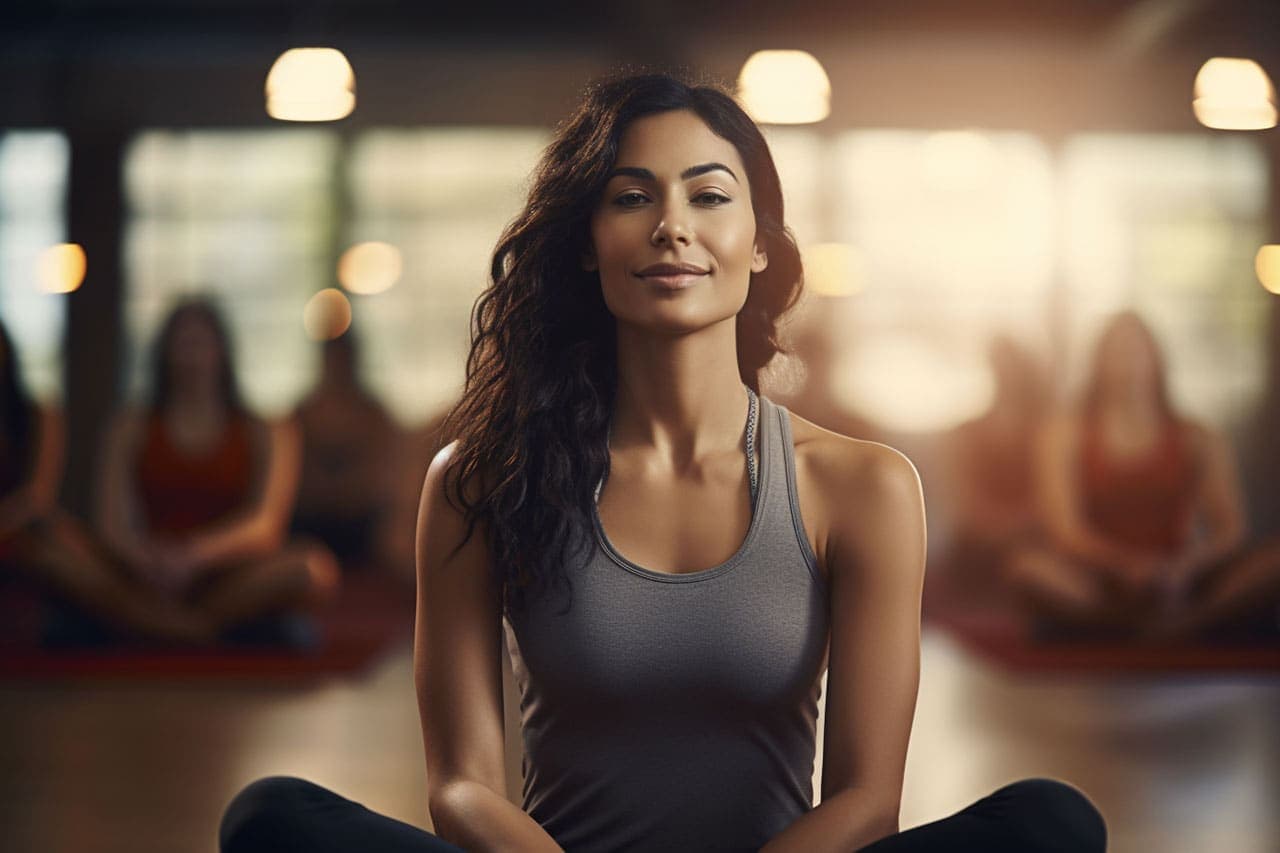
You've been training for your half marathon for months now, haven't you? You're pounding the pavement, tracking your mileage, and pushing your body to its limits. But have you ever considered how yoga might give you that extra edge you need? I'm not joking! As a runner, you might overlook yoga as a cross-training exercise, but it's time to rethink that. You can dramatically improve your half marathon performance with yoga.
Recent research from the Journal of Physical Therapy Science shows that runners who incorporate yoga into their training improve their running economy by 6%, increase flexibility by 35%, and reduce injury risk by nearly 50%. These aren't just feel-good statistics - they translate to real performance improvements and a more enjoyable training experience.
Yoga isn't just about flexibility and zen-like calmness. It's a comprehensive system for improving strength, flexibility, mental focus, and recovery - all of which are crucial for half marathon success. The integration of breath work, mindful movement, and targeted strengthening creates adaptations that complement running in ways that traditional cross-training often misses.
So, if you're ready to power up your performance and discover why elite runners from Kenya to Colorado integrate yoga into their training, let's dive into how this ancient practice can become your modern secret weapon. It's time to become the best half marathoner you can be!## Understand the Basics of Yoga
After experiencing the benefits of yoga firsthand, I can't wait to share them with you. Then, let's dive into the various types of yoga, so you can find the style that suits you best. Finally, I'll give you some crucial safety tips to ensure your yoga practice is as safe as it is transformative.
Benefits of Yoga for Half Marathon Runners
Paving our way from the fascinating history of yoga, let's dive deeper into the heart of the practice and its specific applications for distance runners. Imagine digging into a treasure chest of benefits that not only enhances your physical fitness but also enriches your mental wellness and running performance. That's exactly what yoga offers!#### Physical Adaptations The benefits of yoga are vast and scientifically documented. Research shows that regular yoga practice creates specific adaptations valuable for runners:
Flexibility and Mobility: Yoga increases joint range of motion by 13-35% within 8-10 weeks of consistent practice Functional Strength: Isometric holds and bodyweight resistance build strength that directly transfers to running Balance and Proprioception: Single-leg poses improve the stability crucial for efficient running form Core Integration: Unlike isolated ab exercises, yoga develops functional core strength in multiple planes
Physiological Benefits
Yoga creates measurable improvements in systems crucial for running performance:
Cardiovascular Health: Regular practice lowers resting heart rate and blood pressure while improving heart rate variability Respiratory Function: Pranayama (breathing practices) increase lung capacity and improve oxygen utilization efficiency Stress Hormone Regulation: Consistent practice reduces cortisol levels by 23-27%, improving recovery and adaptation Sleep Quality: Yoga practitioners experience 42% better sleep quality, crucial for training adaptation and recovery
Performance-Specific Adaptations
For half marathon runners specifically, yoga provides:
Running Economy: The 6% improvement in running economy translates to running the same pace with less effort Injury Prevention: The 50% reduction in injury risk means more consistent training and better race day preparation Mental Resilience: Stress management techniques directly apply to handling race day pressure and mid-race challenges Recovery Enhancement: Improved parasympathetic nervous system function accelerates between-session recovery
Truly, yoga is not just a workout, it's a comprehensive training system that works from the inside out to create a more resilient, efficient, and capable runner!### Types of Yoga
Diving headfirst into the ocean of Yoga, let's explore the various types we can immerse ourselves in. You'd be surprised to know that Yoga isn't just one size fits all, it has a myriad of types, each with its distinctive style and benefits.
The most commonly practised type is Hatha Yoga, ideal for beginners due to its slow-paced nature. If you're looking for a challenge, Ashtanga Yoga, with its demanding series of poses, will give you a real workout. For those who crave a unique twist, Aerial Yoga allows you to perform poses while suspended in the air! And let's not forget Kundalini Yoga, which blends spirituality with physical postures. Remember, you don't have to stick to just one type. Feel free to experiment and find the one that suits you the best.
Safety Tips for Practicing Yoga
Moving from the copious benefits and diverse types of yoga, it's essential to pivot our attention towards ensuring our yoga practice is safe and beneficial. Let's dive into some solid safety tips for practicing yoga.
First things first, don't push yourself too hard. It's not a competition, it's a journey. Listen to your body and respect its limits. If a pose feels too challenging, it's okay to modify it or skip it altogether. And remember, consistency is key. Regular, moderate practice will yield better results than occasional, intense sessions. Another crucial tip is to warm up before starting your routine. It prepares your body for the exercises and it reduces the risk of injuries. Lastly, if you've any pre-existing medical conditions or injuries, always consult a health professional before starting a new exercise routine. Your safety is paramount, so take these tips to heart and enjoy a safe and fulfilling yoga journey.
Develop a Yoga Routine
First off, let's dive right into choosing the right yoga style - it's crucial to find what suits your body and mind. Once we've nailed that, we'll jump into creating a yoga sequence that'll challenge you, but also, keep things interesting. Lastly, but certainly not least, we'll tackle setting a regular practice because consistency is how we're gonna get you to that zen state.
Choose the Right Yoga Style
Now that we've got the basics of yoga down, it's time to step up our game and start crafting a personal yoga routine. The first step of this process is choosing the right yoga style that resonates with you and your goals.
There are a plethora of yoga styles out there, and finding the one that’s right for you can feel daunting. However, don't be intimidated. It's crucial to understand that every style has its own unique benefits and challenges. If you're looking for something calming and restorative, consider Yin or Restorative yoga styles. On the other hand, if you're into something more dynamic and physically challenging, Vinyasa or Ashtanga may be more your speed. It all comes down to what you're looking to gain from your yoga practice. So, trust your intuition and listen to your body, it knows what's best for you!### Create Effective Yoga Sequences for Runners
Having grasped the fundamentals of yoga, let's dive into the heart of developing your personalized yoga routine. Creating effective sequences for runners requires understanding how different poses complement your training goals and address the specific needs of distance running.
Pre-Run Activation Sequence (10-15 minutes)
Designed to prepare your body for running:
- Cat-Cow Pose (2 minutes): Mobilizes spine and activates core
- Downward Dog to Plank Flow (3 minutes): Warms up shoulders and activates entire kinetic chain
- Low Lunge with Twist (2 minutes each side): Opens hip flexors and activates glutes
- Standing Forward Fold (1 minute): Lengthens hamstrings and calves
- Mountain Pose with Arm Circles (1 minute): Prepares shoulders for arm swing
Post-Run Recovery Sequence (15-20 minutes)
Focused on restoration and flexibility:
- Child's Pose (2 minutes): Allows heart rate to normalize
- Supine Figure-Four (2 minutes each side): Releases hip tension
- Supine Spinal Twist (2 minutes each side): Decompresses lower back
- Legs-Up-The-Wall (5 minutes): Promotes circulation and recovery
- Savasana (5 minutes): Complete nervous system reset
Strength-Building Sequence (30-45 minutes)
For days when you want to build functional strength:
- Sun Salutation (5 minutes): Full-body warm-up
- Warrior III Flow (10 minutes): Single-leg strength and balance
- Chair Pose Variations (5 minutes): Quad and glute strengthening
- Crow Pose Progressions (5 minutes): Upper body and core strength
- Bridge and Wheel Variations (10 minutes): Posterior chain activation
- Cooling sequence (5-10 minutes): Gentle backbends and twists
Now hold on, don't panic if this seems complex! Start with basic sequences and gradually add complexity. The key is consistency over perfection. You can begin by picking a few poses you're comfortable with and practice transitioning between them smoothly. Trust me, you'll develop your own flow in time. It's about creating sequences that serve your running goals while feeling natural to your body.
Set a Regular Practice
Stepping off the mat, you're filled with a sense of tranquility you've never experienced before. The world around you seems more vibrant, your mind is clear, and your body feels alive. But how do you turn this newfound passion into a regular practice? Let's dive in.
Setting a regular yoga practice is easier than you'd think. It's like creating your favorite coffee blend - a little bit of this, a little bit of that, and whoosh! There you have it. First, decide on a suitable time that works for you. You're in charge here, so don't let the world dictate when you should or shouldn't do your yoga. You're a morning person? Great! Do it then. More of a night owl? That's perfect too. Consistency is key, so aim for a time you can stick with. Remember, it's your journey, it's your practice. Be bold, be consistent, and embrace your inner yogi.
Improve Strength and Flexibility

First, let's dive into the key target muscles you'll need to focus on for running, because understanding these can significantly boost your performance. Then, we'll explore how to improve your mobility and stability, which are vital to not just running, but your everyday movements too. Lastly, we'll tackle how to balance strength and flexibility - because having both in harmony can really take your fitness to the next level.
Target Muscles for Running Performance
Shifting gears from our yoga mats to the running tracks, let's focus on something that's equally crucial for any serious runner - targeting the specific muscles that truly fuel efficient, powerful running. Running engages numerous muscles, but certain key players require special attention for optimal half marathon performance.
Primary Running Muscles and Yoga Applications
Glutes (Gluteus Maximus, Medius, Minimus)
- Running Function: Power generation, hip stability, propulsion
- Common Issues: Often underactive due to sitting, leading to knee pain and inefficiency
- Yoga Solutions: Warrior III, Bridge Pose, Side Plank with leg lifts
- Performance Impact: Strong glutes can improve running economy by 8-12%
Hip Flexors (Psoas, Iliacus, Rectus Femoris)
- Running Function: Lift thigh during swing phase, stride length
- Common Issues: Chronically tight from sitting and repetitive running motion
- Yoga Solutions: Low Lunge, Camel Pose, Dancer's Pose
- Performance Impact: Flexible hip flexors can increase stride length by 10-15%
Core Complex (Diaphragm, Pelvic Floor, Deep Abdominals, Multifidus)
- Running Function: Spinal stability, power transfer, breathing efficiency
- Common Issues: Weak deep stabilizers leading to energy leaks and poor posture
- Yoga Solutions: Plank variations, Boat Pose, breathing exercises
- Performance Impact: Strong core can improve running posture and reduce energy waste by 5-8%
Hamstrings (Biceps Femoris, Semitendinosus, Semimembranosus)
- Running Function: Deceleration, knee flexion, hip extension
- Common Issues: Often tight and relatively weak compared to quadriceps
- Yoga Solutions: Forward folds, Pyramid Pose, Seated twists
- Performance Impact: Balanced hamstring strength prevents injury and improves speed
Calves and Achilles Complex
- Running Function: Propulsion, shock absorption, energy return
- Common Issues: Tightness leading to reduced ankle mobility and efficiency
- Yoga Solutions: Downward Dog, Standing forward folds, Toe pose
- Performance Impact: Optimal calf flexibility improves ground contact efficiency
To get the most out of our runs, we need to address these muscles systematically through targeted yoga practice. Remember, stronger, more flexible, and better-coordinated muscles mean dramatically better performance. When we start focusing on these specific muscle groups through yoga, we'll notice substantial improvements in running stamina, speed, and stability - and significantly reduced injury risk.
Improve Mobility and Stability
Shifting gears from our yoga routine, let's dive headfirst into the realm of mobility and stability. It's not just about being able to reach down and touch your toes, folks. We're talking about real, functional mobility. The kind that lets you run faster, lift higher, and live better.
Here's the deal: improving mobility and stability isn't a walk in the park. It's going to take grit, determination, and a little bit of sweat. But trust me, it's worth the effort. By focusing on exercises that enhance mobility, you're not just improving your range of motion. You're also helping to stabilize your joints, which can lead to fewer injuries and better performance. So let's get to work, shall we?
Balance Strength and Flexibility
Alright, now that we've mapped out a fabulous yoga routine, let's dive deeper into the crux of our fitness journey. We're going to focus on balancing strength and flexibility, which is vital not only for runners, but for anyone looking to keep their bodies strong, supple, and injury-free.
Balancing strength and flexibility is all about harmony. You're not just building strong muscles, but also ensuring they're flexible enough to support a wide range of motion. Think of your body as a finely-tuned machine, where every part works in unison. Power through your strength training exercises, but always make time for stretching sessions too. It's this interplay of strength and flexibility that will keep you moving smoothly and effortlessly, whether you're running a marathon or simply going about your day. Let's own this journey, pushing our bodies to become the best version of themselves!## Prepare the Mind and Body for Running
The mental game in running is key. In our journey to prepare for running, let's first delve into the importance of practicing relaxation techniques; it's a game-changer in managing stress and enhancing performance. Next, we'll explore how to develop mental clarity and focus, both critical components in maintaining a steady pace. Lastly, let's dive deep into the ways we can increase our endurance and stamina, as they're the fuel that'll help us go the distance.
Master Relaxation Techniques for Peak Performance
Having sculpted your body to peak strength and flexibility, it's time to turn inward and prepare your mind for the dynamic journey of running. The first step in this mental conditioning is mastering specific relaxation techniques that directly translate to better running performance.
The Science of Tension and Performance
Believe it or not, running is as much mental as it is physical. Research shows that unnecessary muscular tension can increase energy expenditure by 15-20% during running. You might be carrying tension in your shoulders, jaw, hands, or even your breathing patterns without realizing it. This unconscious tension acts as a performance brake, forcing your body to work harder than necessary.
Progressive Muscle Relaxation for Runners
This technique, developed specifically for athletes, involves:
- Pre-Run Scan (2-3 minutes): Systematically check for tension from head to toe
- Tension-Release Cycles: Deliberately tense each muscle group for 5 seconds, then release
- Focus Areas: Pay special attention to shoulders, jaw, hands, and hip flexors
- Integration: Practice releasing tension while maintaining necessary muscle activation
Breathing-Based Relaxation
Yoga's pranayama techniques offer powerful tools for runners:
4-7-8 Breathing (pre-race calming):
- Inhale for 4 counts
- Hold for 7 counts
- Exhale for 8 counts
- Repeat 4-8 cycles
Box Breathing (during easy runs):
- Inhale for 4 counts
- Hold for 4 counts
- Exhale for 4 counts
- Hold empty for 4 counts
Coherent Breathing (post-run recovery):
- 5 seconds in, 5 seconds out
- Promotes parasympathetic recovery
- Reduces cortisol and inflammation
Visualization and Body Scanning
During Running: Practice the "tension scan" - periodically check shoulders, hands, and jaw, releasing any unnecessary tension while maintaining efficient form
Post-Run: Use guided body scans to identify areas of residual tension and consciously release them
Pre-Race: Visualize running with relaxed efficiency, feeling light and powerful simultaneously
By mastering these relaxation techniques, not only will you feel lighter and more agile, but you'll also see significant improvements in running endurance, efficiency, and enjoyment. The goal is to run with "relaxed intensity" - maintaining the effort needed for your target pace while eliminating energy-wasting tension.
Develop Mental Clarity and Focus
Now that we've pumped up our strength and flexibility, it's time to harness the power of our minds! The mental aspect of running is just as important, if not more so, than the physical.
Developing mental clarity and focus can truly elevate your running game. It's not just about getting your body in motion, it's about getting your mind in the zone too. Picture yourself running effortlessly, your breath syncing with your steps. Visualize the path ahead, feel the rhythm of your heartbeat, listen to the whisper of the wind. This focus will help you push through fatigue, conquer hills, and shatter your personal records. Remember, the body achieves what the mind believes, so let's get our minds razor sharp and focused!### Build Endurance and Stamina Through Yoga
Alright, you've been developing strength and flexibility, now it's time to explore how yoga specifically builds the endurance and stamina crucial for half marathon success. You're a distance runner, after all, and yoga offers unique methods for developing both physical and mental endurance that complement traditional running training.
Physical Endurance Through Yoga
Isometric Endurance Building Yoga's sustained poses build the type of muscular endurance runners need:
- Plank Hold Progressions: Build from 30 seconds to 2+ minutes to develop core endurance
- Warrior III Holds: Single-leg endurance that directly transfers to running stability
- Chair Pose Sequences: Quad and glute endurance for hill running and late-race strength
- Standing Balances: Proprioceptive endurance that prevents form breakdown when fatigued
Cardiovascular Endurance Through Flow Dynamic yoga sequences can provide cardiovascular training:
- Sun Salutation Sequences: 20-30 continuous rounds builds aerobic capacity
- Power Yoga Classes: Maintain elevated heart rate for 45-90 minutes
- Vinyasa Flow: Continuous movement challenges cardiovascular system
- Hot Yoga: Adds thermoregulatory stress similar to warm-weather running
Mental Endurance and Stamina
Discomfort Tolerance Training Yoga teaches you to stay present with discomfort - a crucial skill for half marathons:
- Challenging Holds: Practice breathing calmly while muscles burn in poses
- Heat Tolerance: Hot yoga builds mental resilience to physical stress
- Focus Training: Maintain attention on breath and alignment despite discomfort
- Non-Reactivity: Learn to observe discomfort without panic or giving up
Concentration Endurance Half marathons require sustained mental focus for 1.5-2+ hours:
- Meditation Practice: Build capacity for sustained attention
- Breath Awareness: Maintain focus on breathing patterns during challenging poses
- Present Moment Training: Stay aware of current sensations rather than future worry
- Positive Self-Talk: Develop encouraging internal dialogue for difficult moments
Integrating Yoga Endurance Training
Weekly Structure:
- 2x/week: Gentle, restorative yoga for recovery
- 1x/week: Power/flow yoga for cardiovascular challenge
- Daily: 5-10 minutes breathing and balance work
- Pre-Long Runs: 10 minutes activation and mental preparation
- Post-Long Runs: 15-20 minutes recovery and restoration
Progressive Overload in Yoga:
- Week 1-2: Hold poses for 30-45 seconds
- Week 3-4: Progress to 60-90 seconds
- Week 5-8: Add more challenging variations
- Week 9-12: Combine poses into flowing sequences
- Ongoing: Maintain challenge level, focus on perfecting form
Think of your body as a finely-tuned system that needs both physical and mental fuel. Yoga provides both - the physical challenge of sustained poses and the mental training of staying present with difficulty. You'll be amazed at how much further you can go when your mind and body are trained to work together efficiently. Remember, building endurance isn't just about grinding through discomfort - it's about developing the wisdom to pace yourself and the resilience to keep going when things get tough.
Enhance Your Running Performance

First off, let's tackle how you can refine your running form, as it's the foundation of your performance. Then, we'll delve into how you can up your strength and speed, because you're stronger than you think! Finally, we'll piece everything together to give you a total performance boost, pushing you to achieve what you didn't think was possible.
Improve Running Form
Now that we've prepped our minds and bodies, let's dive into the real game changer - improving your running form. This is where the magic truly happens. It's not just about running faster or longer, it's about running smarter.
The first step towards improving your running form is to stay relaxed. I know, it sounds counter-intuitive, right? But trust me, tension is the enemy of efficient movement. Keep your body loose, your shoulders relaxed, and your face calm. It's also critical to keep your core engaged and maintain good posture throughout your run. Remember, your power comes from your core, not just your legs. Now, let's get out there and conquer the track, one stride at a time!### Increase Strength and Speed
Now that we've got our mind and body in gear, let's shift into overdrive and talk about strength and speed. You want more than just a jog in the park, you're aiming for that exhilarating sprint, that hill you can power up without a second thought. You're after real strength and speed that'll leave the competition in the dust.
Don't worry, we've got you covered. Increasing your strength and speed isn't about pushing yourself to the brink of exhaustion, it's about smart, targeted training. Incorporate interval training into your routine, alternating between high and low intensity. It’ll amp up your cardiovascular fitness and muscular endurance. Don't forget strength training either. Those squats and lunges? They're not just for show. They're building the leg power that'll add that extra oomph to your stride. Remember, you're stronger and faster than you think. Now go show the world.
Boost Overall Performance
Now that we've prepped our minds and bodies, let's kick things into high gear and start boosting our overall performance. Don't just settle for the ordinary, push beyond your limits, and let the extraordinary become your new normal.
To boost your overall performance, you've got to put in the work. We're talking about consistent training, proper nutrition, and sufficient rest. You'll need to step up your game, diversify your workouts, and challenge yourself to reach new heights. Don't forget, it's not just about the distance you cover, but the pace and intensity you maintain. You've got this!## Recover Quicker and Avoid Injury
Reducing muscle stress and tension is key, and trust me, it's not as hard as it sounds. Once you've got that down, you'll find it natural to strengthen your core and improve your posture, which is a game changer for avoiding injury. Lastly, don't forget to incorporate restorative yoga poses into your routine, these are your secret weapon to recover quicker.
Reduce Muscle Stress and Tension
No sooner have you upped your running game, it's time to direct your attention towards recovery and injury prevention. Reducing muscle stress and tension is key to bounce back faster and avoid common running-related injuries.
It's crucial to listen to your body and give it the rest it needs. Muscle tissues undergo a lot of stress during running, and overworking them can lead to injuries. I absolutely recommend regular rest days and foam rolling sessions. You'd be surprised how much a good ol' foam roller can help in releasing muscle knots and improving flexibility. Don't forget to give your legs a good stretch after every run, focusing on your calves, hamstrings, and hip flexors. Trust me, your muscles will thank you in the long run!### Strengthen Core and Improve Posture
Bam! Now that we've powered up your running performance, it's time to set our sights on something equally important – recovery and injury prevention. A key player in this game is your core strength and posture.
Your core is the powerhouse of your body. It's more than just your abs - it's a complex series of muscles that includes your lower back, hips, pelvis, and glutes. A strong core stabilizes your body, allowing you to move in any direction, or even stand still without losing your balance. Upping your core strength can also improve your posture. Stand tall, runners! You'll be amazed at how much better you feel when you're not slouched over. Plus, improved posture means more efficient running and less risk of injury. So, let's get our core fired up and our posture on point!### Practice Restorative Yoga Poses
Now, let's conquer the fear of injuries! It's time to dive into the soothing world of restorative yoga poses. These aren't just any old stretches, these are time-tested, proven methods to help your body recover faster and avoid those dreaded injuries that can set your training back.
Each pose is designed to target specific areas of the body, helping you to reduce tension and stress in your muscles. You've been pushing your body to the limit, and it's time to give back with some gentle, restorative yoga. Don't underestimate the power of peace and relaxation in your recovery process. Let's get you on the mat and help you feel fantastic, stronger and injury-free!## Make Yoga Part of Your Half Marathon Training
So, you're keen on blending yoga into your weekly training routine, huh? That's fantastic, but remember, it's crucial to listen to your body and make modifications as required. Stay pumped, celebrate your progress, and watch as yoga transforms your half marathon training in ways you never imagined!### Incorporate Yoga into your Weekly Training
Shifting gears from recovery, let's dive into the world of flexibility and mindfulness – yoga. As much as it's vital to focus on recovery and injury prevention, it's equally important to incorporate yoga into your weekly training routine. Yoga isn't just about flexibility and balance; it's about connecting your mind to your body, and this connection can significantly enhance your half marathon performance.
You don't have to be a yoga expert to get started. Start with basic poses like Downward Dog, Warrior, and Tree pose. These poses will not only improve your flexibility but also increase your core strength, which is crucial for long-distance running. You'll soon notice that your runs feel smoother and your recovery quicker. So, don't wait another minute. Roll out that yoga mat and let's get started!### Listen to your Body and Modify as Needed
So, you've learned how to recover quickly and avoid injury, but are you ready to take your training to the next level? Let's explore how you can listen to your body and modify as needed when incorporating yoga into your half-marathon training.
Remember, your body is your greatest ally in this journey. It's incredibly smart and it will tell you exactly what it needs, if only you take the time to listen. So, when you're on the mat, tune into your body's signals and respect its limits. If a pose feels too challenging, modify it. There's no shame in dialing it back. In fact, it's the smart and safe way to train. Yoga isn't about pushing to the point of pain—it's about finding balance and harmony. So listen up, runners: your body's got a lot to say. Let's make sure we're giving it the attention it deserves!### Celebrate Your Progress as You Improve Your Half Marathon Performance with Yoga
Let's face it, we've all had those moments when the only thing getting us through a tough run is the promise of a celebratory dance at the finish line. It's the same with yoga; it's a journey, not just a destination. So, pat yourself on the back and celebrate your progress. You're doing an incredible job! Remember, every half marathon training session, every yoga pose you master, each step you take towards your fitness goals - it's all worth a victory dance. Stay motivated, keep pushing, and most importantly, remember to celebrate the small wins along the way. You're not only building your physical endurance but also your mental strength. You're a warrior, remember that! And warriors don't just train - they celebrate their journey, their resilience, and their progress. So, go ahead, give yourself a high five for every milestone you reach. You've earned it!## Frequently Asked Questions About How to Improve Your Half Marathon Performance with Yoga

How can yoga help improve my half marathon performance?
Yoga can significantly enhance your half marathon performance in various ways. Primarily, it can help increase flexibility, which can lead to a more effective running stride and less strain on your muscles, joints, and tendons.
Yoga also focuses on balance and core strength, both essential for maintaining good running form especially in the later stages of a race when fatigue begins to compromise technique. A stronger core also improves your overall stability, reducing the risk of injury and aiding in quicker recovery post-runs.
The mindfulness aspect of yoga, including focused breathing and the cultivation of a mind-body connection, can help improve your mental endurance. This is particularly beneficial in a half marathon, where mental toughness plays a crucial role. The ability to stay calm, focused, and mentally engaged during a long-distance run can directly influence your performance.
Moreover, the restorative and stress-relieving effects of yoga can aid in recovery post-run, easing muscle tension and promoting relaxation and better sleep – all vital for effective training and optimum race day performance. In a nutshell, yoga's holistic benefits – improved strength, flexibility, balance, mental focus, and recovery – can all contribute to a better half marathon experience and improved performance.
What are some beneficial yoga poses for runners?
Yes, specific yoga poses can indeed benefit runners and enhance half marathon performance. Here are a few examples:
Downward-Facing Dog (Adho Mukha Svanasana): This pose helps stretch and strengthen the entire body, with emphasis on the hamstrings, shoulders, and calves. It also promotes better blood flow and can act as a great recovery pose.
Low Lunge (Anjaneyasana): This pose deeply opens the hip flexors and strengthens the muscles around the knee, enhancing stride and power.
Warrior III (Virabhadrasana III): This pose strengthens the core and lower body, improves balance, and can help improve running form and efficiency.
Triangle Pose (Trikonasana): This pose opens up the hips and stretches the hamstrings, helping improve flexibility and range of motion.
Legs-Up-The-Wall Pose (Viparita Karani): This gentle, restorative pose can help relieve tired legs and feet, making it a great pose for recovery after long runs.
Incorporating these poses into your routine can help target key muscle groups used in running, improve flexibility, and aid in recovery. Practice them often to improve your half marathon performance with yoga. As always, it's advisable to learn these poses under the guidance of a certified yoga instructor to ensure correct form and avoid injury.
How often should I incorporate yoga into my half marathon training schedule?
The optimal frequency for yoga in half marathon training depends on your experience level and training volume:
Beginner Runners (20-30 miles/week): 2-3 yoga sessions per week, 20-30 minutes each. Focus on basic poses, breathing, and recovery.
Intermediate Runners (30-50 miles/week): 3-4 yoga sessions per week, 25-45 minutes each. Include strength-building poses and pre/post-run sequences.
Advanced Runners (50+ miles/week): 4-5 yoga sessions per week, varying from 15-60 minutes. Use strategically around key workouts for activation, recovery, and strength development.
Weekly Structure Example:
- 2-3 longer sessions (30-60 minutes) on easy days or rest days
- 2-3 shorter sessions (10-20 minutes) for pre-run activation or post-run recovery
- Daily breathing exercises (5 minutes) for stress management and recovery
Yoga should complement, not replace, your running training. Your training should still primarily consist of progressive running workouts including long runs, tempo runs, intervals, and recovery runs. Yoga enhances this foundation by improving flexibility, core strength, mental focus, injury prevention, and recovery.
Start conservatively with 2 sessions per week and gradually increase frequency as your body adapts. The key is consistency over duration - regular shorter sessions are more beneficial than sporadic longer ones.
The Finish Line: Your Yoga-Enhanced Half Marathon Journey
Incorporating yoga into your half marathon training isn't just a trendy idea - it's a scientifically-backed, performance-enhancing strategy that elite runners worldwide have embraced. You'll build functional strength, dynamic flexibility, and mental resilience, all while dramatically reducing your risk of injury and enhancing your enjoyment of the sport.
Your Implementation Roadmap
Weeks 1-2: Foundation
- Start with 15-20 minutes, 2x per week
- Focus on basic poses and breathing
- Prioritize consistency over intensity
- Notice how yoga affects your running
Weeks 3-6: Development
- Increase to 25-30 minutes, 3x per week
- Add strength-building poses
- Integrate pre and post-run sequences
- Track flexibility and strength improvements
Weeks 7-12: Integration
- 30-45 minutes, 3-4x per week
- Include challenging poses and flows
- Use yoga strategically around key workouts
- Notice performance improvements in running
Weeks 13+: Mastery
- Yoga becomes natural part of training
- Adapt practice based on training cycles
- Share knowledge with other runners
- Enjoy the lifelong benefits
Expected Outcomes
Based on research and coaching experience, runners who commit to regular yoga practice typically see:
- 6-8% improvement in running economy within 10-12 weeks
- 35% increase in flexibility within 8-10 weeks
- 50% reduction in injury risk over a full training cycle
- Improved sleep quality and recovery metrics
- Enhanced mental resilience and race-day confidence
- Greater training enjoyment and longevity in the sport
Beyond the Half Marathon
The benefits of yoga extend far beyond your next race. You're building:
- Movement competency that serves you for life
- Stress management skills applicable to all areas of life
- Body awareness that prevents injuries and optimizes performance
- Mental tools for handling challenge and adversity
- A sustainable approach to fitness and well-being
Don't let the fear of something new hold you back. The runners who see the biggest improvements are often those who were initially most skeptical about yoga's benefits. Embrace the challenge, trust the process, and prepare to be surprised by the significant improvements in your running performance.
Remember, this isn't just about your next half marathon - it's about becoming the most resilient, efficient, and joyful runner you can be. Your body and mind will thank you not just at the finish line, but for years to come.
Your yoga-enhanced running journey starts now. Roll out that mat, take a deep breath, and step into a new chapter of your athletic development. It's your race, your journey, your transformation. Let yoga help you make it the best one yet! The finish line is waiting, and you'll cross it stronger, smarter, and more balanced than ever before. Namaste, and happy running!
Tags
Related Articles
Balancing Running and Cross-training for Your Half Marathon Preparation
Master the art of strategic cross-training integration with this comprehensive guide to optimizing your half marathon preparation. Learn the science-backed ratios, periodization strategies, and recovery protocols that elite coaches use to build faster, more resilient runners.
5 Powerful Reasons Core Training Elevates Your Half Marathon Performance
Unlock the missing link in your half marathon training with science-backed core strengthening strategies. Learn how elite runners use targeted core work to improve running economy by 8%, reduce injury risk by 50%, and maintain perfect form through mile 13.1.
Using Yoga for Half Marathon Training
Hello, fellow runners! Now, when you think about training for a half marathon, I bet yoga isn't the first thing that pops into your hea...
Optimize Your Half Marathon Training with CrossFit
Discover how CrossFit can revolutionize your half marathon training with science-backed methods for building explosive power, injury resilience, and race-day stamina. Learn the optimal workout programming, exercise selection, and integration strategies that elite runners use to gain a competitive edge.