Using Yoga for Half Marathon Training
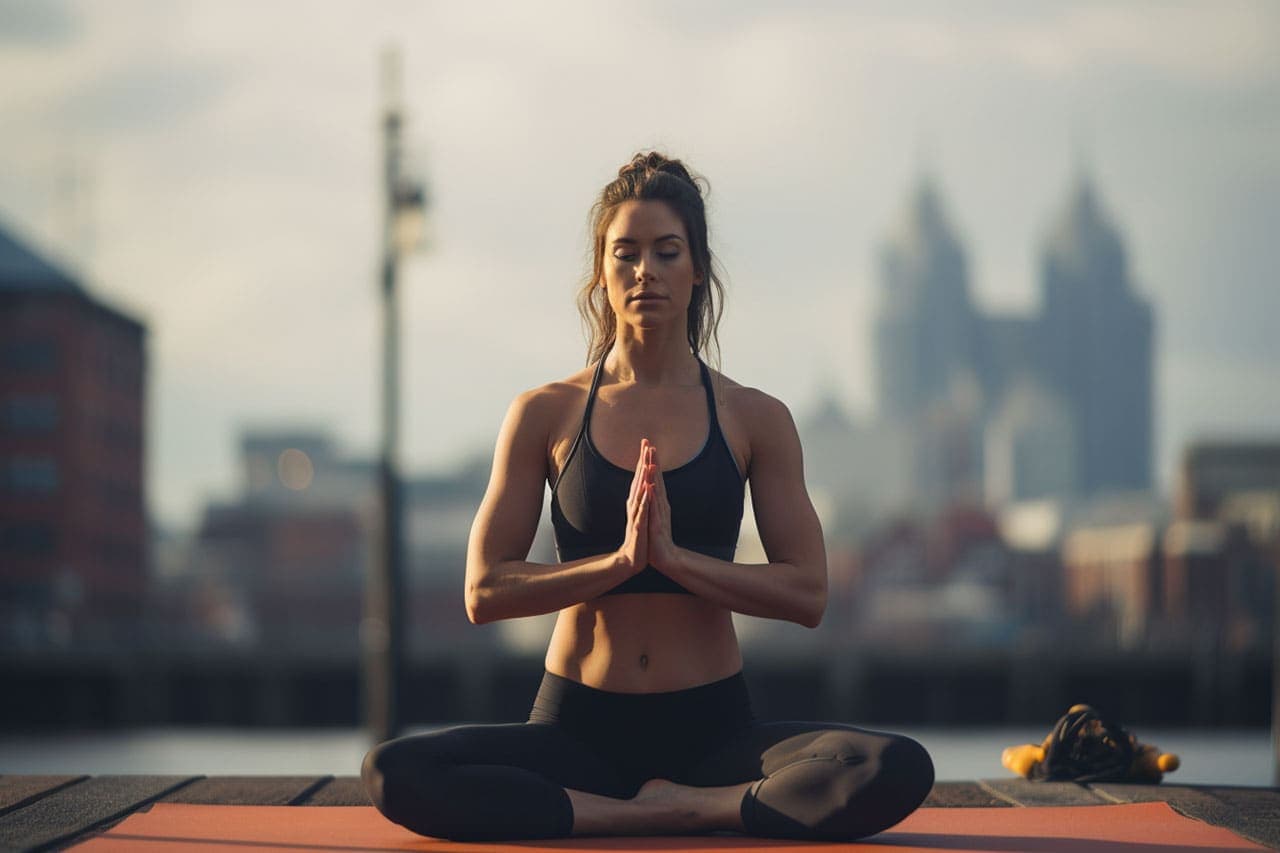
Hello, fellow runners! Now, when you think about training for a half marathon, I bet yoga isn't the first thing that pops into your head, right? We usually visualize high-tempo training sessions, heavy breathing, sweat pouring down our faces...and not so much the peaceful stretching in a quiet room. But what if I told you that using yoga for half marathon training could actually enhance your performance, prevent injuries, and even make your running experience more enjoyable?
As a coach who has worked with hundreds of runners over the years, I've witnessed a remarkable transformation in athletes who embrace yoga as part of their training regimen. Research from the Journal of Physical Therapy Science shows that runners who practice yoga twice weekly for 10 weeks improve their running economy by 6%, increase their flexibility by 35%, and reduce their injury risk by nearly half.
The Science Behind Yoga and Running Synergy
Yoga and running seem like different worlds, but they complement each other beautifully in ways that science is now proving. Running is high-intensity and demanding; it strengthens our hearts and muscles but can be harsh on our joints and create repetitive stress patterns. Yoga, on the other hand, is gentle and restorative; it improves our flexibility, balance, and mental focus - all essential attributes for running, especially when you're training for a half marathon.
The Physiological Benefits
Recent studies have revealed fascinating connections between yoga practice and running performance:
Improved VO2 Max: Research published in the International Journal of Yoga found that runners who added yoga to their training improved their VO2 max by 7% over 12 weeks
Enhanced Running Economy: A study in the Journal of Strength and Conditioning Research showed that yoga practitioners used 6% less oxygen at the same running pace
Reduced Inflammation: Regular yoga practice decreases inflammatory markers like C-reactive protein, leading to faster recovery
Better Heart Rate Variability: Yoga improves autonomic nervous system balance, leading to better adaptation to training stress
The Biomechanical Advantages
Yoga addresses the specific movement limitations that runners develop:
Sagittal Plane Dominance: Running occurs primarily in one plane of movement. Yoga introduces frontal and transverse plane movements that balance muscle development
Hip Flexor Tightness: Extended sitting and repetitive running motions create chronically tight hip flexors. Yoga poses specifically target these muscles
Thoracic Spine Mobility: Forward head posture from desk work and running can be corrected through yoga's emphasis on spinal extension
Ankle Mobility: Many yoga poses improve ankle dorsiflexion, crucial for efficient running mechanics
Flexibility: The Foundation of Efficient Running
Running, especially long distance running like a half marathon, can put significant strain on your body. This exertion often causes your muscles to tighten, notably those hard-working hamstrings and hip flexors. Have you ever felt that rigidity in your legs after a long run? That's your muscles tensing up from repetitive contractions and the impact of thousands of foot strikes.
The Flexibility-Performance Connection
Research shows that optimal flexibility ranges directly impact running performance:
Stride Length: Hip flexor tightness can reduce stride length by up to 15% Ground Contact Time: Better ankle flexibility reduces the time your foot spends on the ground, improving speed Energy Cost: Tight muscles require 12-15% more energy to stretch and contract during movement Injury Risk: Inflexible runners are 2.5 times more likely to experience overuse injuries
Key Areas Where Runners Need Flexibility
Hip Flexors and Psoas: These muscles lift your thigh toward your abdomen. When tight, they limit hip extension and create lower back compensation
Hamstrings: Tight hamstrings limit forward leg swing and force your body to work harder to achieve the same stride length
Calves and Achilles: Restricted calf flexibility limits ankle dorsiflexion, affecting your ability to efficiently absorb impact
IT Band and TFL: Lateral leg tightness contributes to knee pain and inefficient movement patterns
Thoracic Spine: Upper back stiffness creates compensatory neck tension and restricts breathing
How Yoga Transforms Running Flexibility
Yoga's approach to flexibility is uniquely beneficial for runners because it combines several elements:
Active Stretching: Unlike passive stretching, yoga poses require muscle engagement while lengthening, creating functional flexibility
Progressive Loading: Yoga sequences gradually increase range of motion, allowing tissues to adapt safely
Breath Integration: Coordinated breathing helps relax the nervous system and allows deeper stretches
Multi-Planar Movement: Yoga incorporates movements in all three planes, addressing restrictions that single-plane running creates
Specific Yoga Poses for Running Flexibility
Low Lunge (Anjaneyasana): Deeply stretches hip flexors while strengthening the front leg
Pyramid Pose (Parsvottanasana): Intensively stretches hamstrings while building stability
Pigeon Pose (Eka Pada Rajakapotasana): Targets deep hip rotators and IT band restrictions
Downward Dog (Adho Mukha Svanasana): Lengthens the entire posterior chain from calves to shoulders
Cow Face Pose (Gomukhasana): Addresses hip external rotation and shoulder mobility
This tightness can restrict your mobility, making your movements less fluid and more labored. It can even negatively affect your running form, which in turn can make you less efficient and more prone to injury.
Now, imagine this tightness being relieved, your muscles becoming more supple and flexible. This is where yoga shines. Through a series of targeted stretches, yoga helps to loosen those tightened muscles and enhance your flexibility. As your flexibility improves, so does your running form. Your strides become longer and more relaxed, your movements more efficient. This efficiency translates into better performance on your runs and a decreased likelihood of injuries. So, yoga isn't just about relaxation and meditation; it's a practical tool for improving your running prowess.
Strength and Balance: Building a Runner's Foundation
Running is a fantastic workout for your lower body. Each stride you take strengthens your quads, calves, and glutes. However, it's primarily a lower body activity, often leading to an imbalance in strength between your lower and upper body, and even within muscle groups in your legs.
The Strength Imbalances Runners Develop
Anterior vs. Posterior: Runners often develop quad dominance while glutes and hamstrings become relatively weak
Medial vs. Lateral: The repetitive forward motion neglects lateral stabilizers, leading to IT band and hip issues
Concentric vs. Eccentric: Running emphasizes concentric (shortening) contractions but less eccentric (lengthening) strength
Core vs. Extremities: While leg muscles get stronger, core stability often lags behind
How Yoga Builds Functional Strength for Runners
Unlike traditional strength training, yoga builds strength through isometric holds and bodyweight resistance in multiple planes of movement:
Isometric Strength: Holding poses like Warrior III or Side Plank builds the type of strength needed to maintain form during long runs
Proprioceptive Strength: Balancing poses train the small stabilizing muscles that prevent injuries
Eccentric Strength: Controlled lowering in poses like Chaturanga builds the eccentric strength needed for shock absorption
Functional Patterns: Yoga movements mimic real-world movement patterns rather than isolated muscle actions
Key Strength-Building Poses for Runners
Warrior III (Virabhadrasana III): Builds single-leg strength, core stability, and proprioception - directly applicable to running's single-leg stance phase
Chair Pose (Utkatasana): Strengthens quads and glutes while teaching proper squat mechanics
Side Plank (Vasisthasana): Targets lateral core stabilizers crucial for preventing IT band syndrome
Crow Pose (Bakasana): Builds upper body and core strength while improving wrist and shoulder stability
Bridge Pose (Setu Bandhasana): Activates glutes and hamstrings while countering hip flexor tightness
Balance and Proprioception Benefits
Running is essentially a series of controlled falls - you're constantly catching yourself as you move forward. Better balance and proprioception lead to:
Improved Efficiency: Less energy wasted on unnecessary stabilizing movements
Injury Prevention: Better ability to react to uneven surfaces or unexpected obstacles
Enhanced Performance: More precise foot placement and improved running economy
Fatigue Resistance: Stabilizing muscles maintain function longer during extended efforts
Through various yoga asanas, you're not only strengthening your core, which is vital for maintaining good running posture, but you're also working on your upper body and those smaller, often overlooked muscles that aren't directly used in running. Over time, this leads to more balanced body strength. Additionally, yoga poses often require maintaining balance in challenging positions, which subtly works on your coordination skills. A strong core, overall body strength, and improved coordination significantly reduce the risk of falls and injuries, both on and off the running track.
Mental Stamina: The Mind-Body Training Ground
Anyone who's run long distances will tell you that after a certain point, it's not just your body you're running with; it's your mind. Mental stamina becomes a crucial aspect of long-distance running. There will be times during your half marathon when your legs are heavy, your breathing is labored, and every step feels like a challenge. It's in those moments that the race truly becomes a mental one.
The Neuroscience of Mental Endurance
Research in sports psychology reveals that mental fatigue can impair physical performance by up to 15%, even when muscles aren't physically exhausted. The brain's anterior cingulate cortex, which processes effort and discomfort, can be trained through practices like yoga.
Attention Regulation: Yoga teaches you to direct attention intentionally rather than being swept away by discomfort
Distress Tolerance: Regular practice of holding challenging poses builds your ability to stay present with difficulty
Emotional Regulation: Breathing techniques help manage the anxiety and frustration that can arise during tough training or racing
Self-Efficacy: Successfully completing challenging yoga sequences builds confidence in your ability to handle adversity
Yoga's Unique Mental Training Approach
Yoga isn't just about physical flexibility and strength; it's a comprehensive workout for your mind:
Present Moment Awareness: Unlike other activities, yoga constantly brings your attention back to the here and now
Breath-Mind Connection: Learning to control your breath teaches you to influence your mental state
Non-Judgmental Observation: Yoga cultivates the ability to notice thoughts and sensations without getting caught up in them
Gradual Challenge Progression: Like good run training, yoga gradually increases difficulty, building mental resilience
Specific Mental Skills Yoga Develops for Runners
Focus and Concentration: Holding balancing poses like Tree Pose trains sustained attention - crucial for maintaining form during long runs
Patience and Persistence: Working gradually toward advanced poses teaches the patience needed for long-term training goals
Body Awareness: Tuning into subtle physical sensations helps you recognize early signs of fatigue or injury
Stress Response Management: Regular yoga practice lowers baseline cortisol levels and improves stress recovery
Positive Self-Talk: The encouraging, non-competitive environment of yoga helps develop supportive internal dialogue
Meditation in Motion: Running Becomes Practice
Yoga trains your mind to stay calm and centered even when your body is in uncomfortable positions. It teaches you patience, focus, and resilience, strengthening your mental fortitude. During your half marathon, these mental skills become invaluable:
Mile 1-3: Use yoga-trained awareness to settle into your pace without getting caught up in race excitement
Mile 4-8: Apply breath awareness techniques to maintain rhythm and efficiency
Mile 9-11: Draw on distress tolerance skills when discomfort increases
Mile 12-13.1: Use the mental resilience built through challenging yoga poses to push through to the finish
They help you maintain a positive mindset, push through the fatigue, and keep going even when your body screams at you to stop. Your mind, trained by yoga, becomes an essential ally in your journey to the finish line.
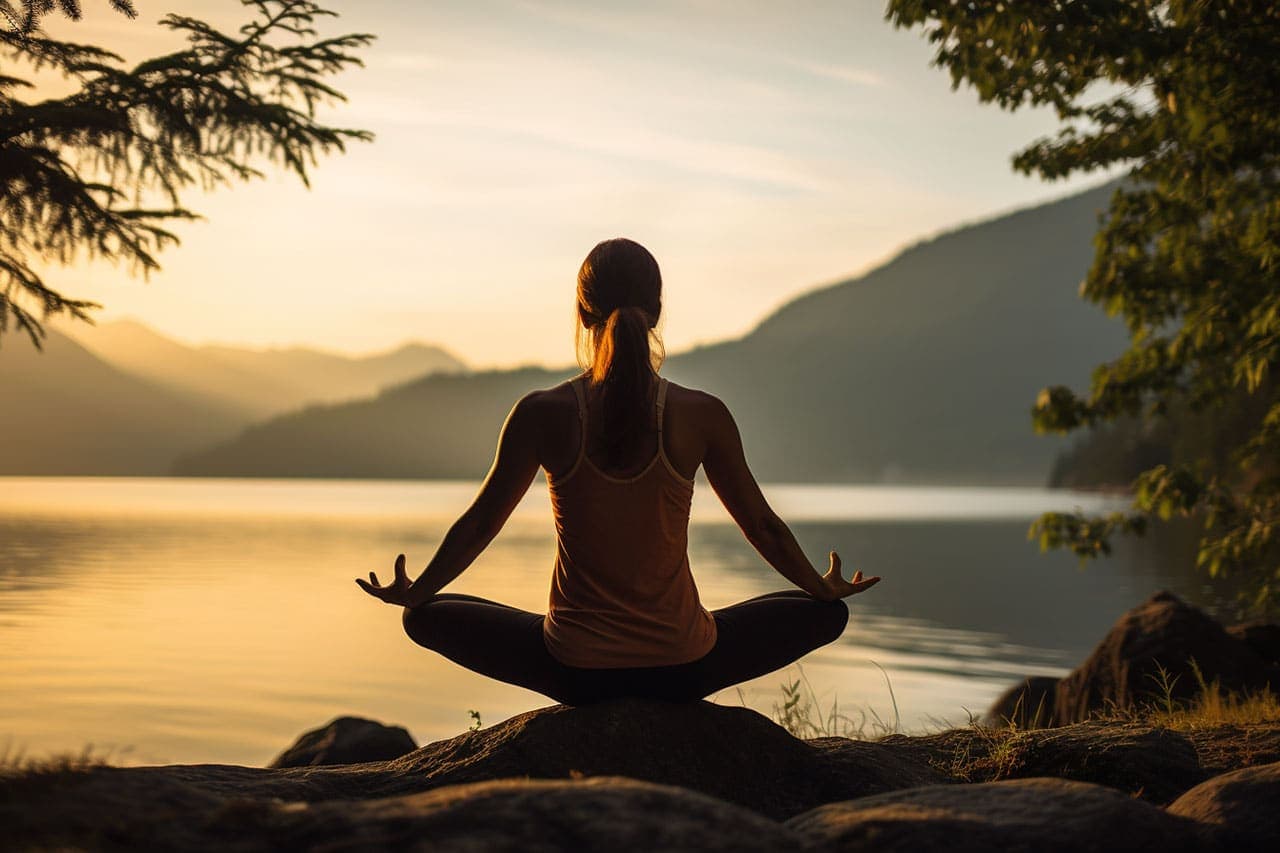
Breathing: The Bridge Between Mind and Body
One of yoga's most powerful tools for runners is pranayama (breath control). Most runners breathe inefficiently, using only the upper chest and creating unnecessary tension. Yoga teaches:
Diaphragmatic Breathing: Using your full lung capacity for maximum oxygen uptake
Rhythmic Breathing: Coordinating breath with movement, directly applicable to running rhythm
Breath Retention: Building tolerance for CO2, which can improve endurance
Calming Breaths: Techniques to activate the parasympathetic nervous system for recovery
Recovery: Active Restoration for Runners
After a tough training session, your body needs more than just rest - it needs active recovery that promotes healing while maintaining mobility. Yoga provides the perfect balance of gentle movement and deep relaxation that runners need.
The Science of Yoga Recovery
Research published in the Journal of Alternative and Complementary Medicine shows that yoga practice:
Increases Parasympathetic Activity: Activates the "rest and digest" nervous system, promoting recovery
Reduces Inflammatory Markers: Decreases IL-6 and TNF-α, key inflammatory cytokines
Improves Sleep Quality: Increases sleep efficiency and reduces sleep onset time
Enhances Blood Flow: Gentle inversions and twists promote circulation without adding stress
Lowers Cortisol: Reduces the stress hormone that can impair recovery and adaptation
Yoga's Unique Recovery Benefits
Lymphatic Drainage: Inversions like Legs-Up-The-Wall help clear metabolic waste from tired muscles
Fascial Release: Gentle stretching and twisting help release restrictions in the connective tissue
Mental Decompression: The meditative aspects help process training stress and reset mentally
Sleep Preparation: Evening yoga practice can improve sleep quality, when most physical adaptations occur
Post-Run Yoga Recovery Sequence (15-20 minutes)
Minutes 1-3: Child's Pose (Balasana) - allows heart rate to normalize and spine to decompress
Minutes 4-6: Supine Spinal Twist - releases lower back tension and aids digestion
Minutes 7-9: Happy Baby Pose (Ananda Balasana) - gently opens hips and releases lower back
Minutes 10-12: Legs-Up-The-Wall (Viparita Karani) - promotes venous return and lymphatic drainage
Minutes 13-15: Gentle backbends (Supported Fish) - opens chest and counteracts forward running posture
Minutes 16-20: Savasana with guided relaxation - allows complete nervous system reset
Recovery Timing Strategies
Same Day: Light restorative yoga 2-4 hours after hard training sessions Next Day: 20-30 minute gentle flow after long runs or speed work Easy Days: Replace one easy run per week with a yoga session Rest Days: Use yoga to maintain movement without adding training stress
It enhances blood flow to your muscles, speeding up the recovery process, and its meditative aspect can also reduce stress and improve sleep, accelerating overall recovery and leaving you ready for your next run.
Practical Implementation: Your Yoga Training Plan
So, how do you incorporate yoga into your training plan? It's simpler than you might think, but the key is strategic integration rather than random addition.
Weekly Integration Framework
Beginner Runners (20-30 miles/week)
- 2 yoga sessions per week (20-30 minutes each)
- Focus on basic flexibility and breathing
- Schedule after easy runs or on rest days
Intermediate Runners (30-50 miles/week)
- 2-3 yoga sessions per week (30-45 minutes)
- Include strength-building and balance poses
- Use as active recovery between hard sessions
Advanced Runners (50+ miles/week)
- 3-4 yoga sessions per week (20-60 minutes)
- Mix power yoga with restorative practices
- Time strategically around key workouts
16-Week Progressive Yoga Program for Half Marathon Training
Weeks 1-4: Foundation Phase
- Focus: Basic poses, breathing, body awareness
- Duration: 20-25 minutes, 2x per week
- Style: Gentle Hatha or basic Vinyasa
- Goals: Establish routine, learn proper alignment
Weeks 5-8: Development Phase
- Focus: Strength building, balance challenges
- Duration: 30-40 minutes, 2-3x per week
- Style: Moderate Vinyasa with arm balances
- Goals: Build functional strength, improve proprioception
Weeks 9-12: Integration Phase
- Focus: Power and endurance, advanced poses
- Duration: 45-60 minutes, 3x per week
- Style: Mix of Power Yoga and Yin
- Goals: Peak strength and flexibility, stress management
Weeks 13-16: Peak and Taper
- Focus: Recovery and mental preparation
- Duration: 20-45 minutes (decreasing as race approaches)
- Style: Primarily restorative and gentle flow
- Goals: Maintain gains while promoting recovery
Daily Yoga Essentials for Runners (5-10 minutes)
Every runner can benefit from this daily sequence:
- Cat-Cow Pose (1 minute) - spinal mobility
- Downward Dog (1 minute) - full-body stretch
- Low Lunge (30 seconds each side) - hip flexor release
- Pigeon Pose (1 minute each side) - deep hip opening
- Seated Forward Fold (1 minute) - hamstring flexibility
- Supine Spinal Twist (30 seconds each side) - lower back release
- Child's Pose (1 minute) - recovery and reflection
Timing Your Yoga Practice
Morning Practice (before runs):
- 5-10 minutes of gentle movement
- Focus on mobility and activation
- Avoid deep stretches that might compromise stability
Post-Run Practice:
- 15-30 minutes of restorative poses
- Focus on recovery and flexibility
- Include breathing exercises
Evening Practice:
- 20-45 minutes of comprehensive practice
- Can include strength and balance work
- End with relaxation for better sleep
Rest Day Practice:
- 45-90 minutes of complete practice
- Include challenging poses and sequences
- Focus on areas of weakness or tightness
Choosing the Right Style of Yoga
Hatha Yoga: Best for beginners, focuses on basic poses and alignment Vinyasa Flow: Dynamic sequences good for building strength and endurance Power Yoga: Athletic style that builds significant strength and flexibility Yin Yoga: Passive, long-held poses excellent for deep flexibility and recovery Restorative Yoga: Deeply relaxing, perfect for recovery days and stress management Bikram/Hot Yoga: Can improve heat adaptation but may interfere with training recovery
Technology and Resources
Apps for Runners:
- Down Dog Yoga (customizable sequences)
- Daily Yoga (structured programs)
- Yoga with Adriene (free YouTube content)
- Alo Moves (comprehensive library)
Equipment Essentials:
- Non-slip yoga mat
- Blocks for support and alignment
- Strap for flexibility assistance
- Bolster for restorative poses
Measuring Progress
Flexibility Benchmarks:
- Sit-and-reach test improvement
- Hip flexor flexibility (Thomas test)
- Ankle dorsiflexion range of motion
- Shoulder flexibility for arm swing
Performance Indicators:
- Improved running form maintenance
- Reduced post-run stiffness and soreness
- Better recovery between training sessions
- Enhanced mental focus during runs
- Decreased injury frequency
Common Mistakes to Avoid
Training Errors:
- Doing intense yoga before hard running workouts
- Pushing too hard into poses (ego vs. body wisdom)
- Neglecting breath awareness
- Focusing only on flexibility (ignoring strength)
Programming Mistakes:
- Too much too soon (start conservatively)
- Inconsistent practice (sporadic vs. regular)
- Wrong style for current needs
- Ignoring rest and recovery principles
Integration Success Stories
Consider Maria, a 35-year-old runner who struggled with chronic IT band pain and plateau in her half marathon times. After incorporating yoga three times per week for six months:
- Improved her half marathon PR by 6 minutes
- Eliminated IT band pain completely
- Increased her weekly mileage by 20% without injury
- Reported better sleep and stress management
- Developed a deeper appreciation for the mental aspects of running
Listen to Your Body and Be Patient
Remember, the goal isn't to turn you into a yogi but to enhance your running performance and enjoyment. Start slowly, be consistent, and trust the process. Your body will adapt gradually, and the benefits will compound over time.
Yoga might be the secret ingredient you've been missing in your half marathon training. It provides the perfect balance to running, improving your physical performance and mental strength. The integration of yoga into your training isn't just about becoming more flexible - it's about becoming a more complete, resilient, and aware athlete.
So, why not give it a try? As we say in the running world, "The race is long, and in the end, it's only with yourself." Let yoga be your secret weapon to cross that finish line strong and smiling, with a body that's not just trained, but truly prepared for the journey ahead.
The beautiful thing about combining yoga and running is that both practices teach us patience, persistence, and the power of showing up consistently. Whether you're flowing through a challenging vinyasa sequence or grinding through mile 10 of your half marathon, you're building the same qualities: resilience, focus, and the deep knowing that you can handle whatever comes your way.
Start where you are, use what you have, do what you can. Your future running self will thank you for taking this holistic approach to training.
Tags
Related Articles
7 Reasons to Use Pilates for Half Marathon Training
Ready to boost your half marathon training? Discover how Pilates, with its focus on core strength, flexibility, and body awareness, can be a game-changer. Strengthen your running form, reduce your risk of injury, and even enhance your breathing with this low-impact workout. Let's dive into the world of Pilates and explore how it can supercharge your half marathon training.
Balancing Running and Cross-training for Your Half Marathon Preparation
Master the art of strategic cross-training integration with this comprehensive guide to optimizing your half marathon preparation. Learn the science-backed ratios, periodization strategies, and recovery protocols that elite coaches use to build faster, more resilient runners.
The Ultimate Cross-Training Guide for Half Marathon Runners: 7 Activities to Boost Performance
Discover how strategic cross-training can improve your half marathon time by 5-10%. Complete guide with weekly schedules, specific workouts for each activity, and injury prevention strategies.
5 Powerful Reasons Core Training Elevates Your Half Marathon Performance
Unlock the missing link in your half marathon training with science-backed core strengthening strategies. Learn how elite runners use targeted core work to improve running economy by 8%, reduce injury risk by 50%, and maintain perfect form through mile 13.1.